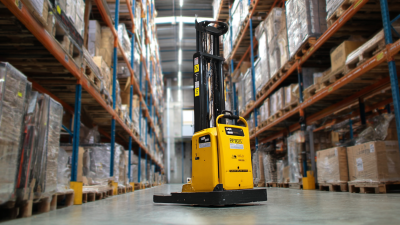
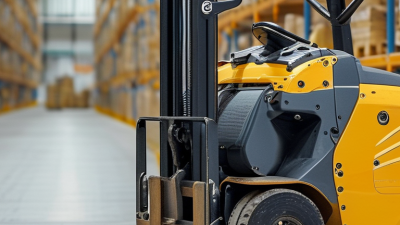
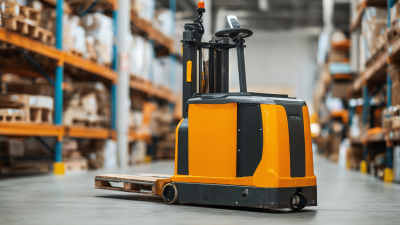
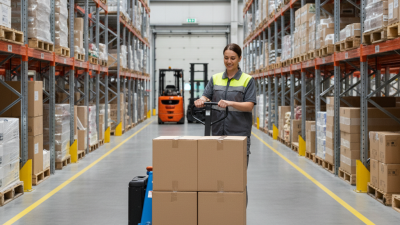
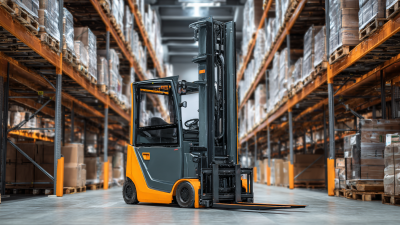
Global buyers will enter 2026 with more Pallet Trucks choices than ever. The right selection depends on workload, floor conditions, and operator habits. Manual pallet trucks suit short moves, limited budgets, and smaller storage areas. Electric models reduce pushing effort across longer warehouse routes. Ride-on versions support heavier movement and frequent loading cycles. High-lift designs can raise pallets for ergonomic handling and staging. Weigh-scale trucks add useful control during receiving and dispatch operations.
Small details matter.
A 2,500-kilogram capacity may sound sufficient, yet uneven loads can change performance quickly. Fork length, steering radius, battery access, and charging time deserve practical evaluation. A narrow aisle may reject a truck that performs well in an open distribution center. Cold rooms, wet floors, and dusty yards also demand different construction choices. Stainless steel frames may help in hygiene-sensitive areas, but they can increase purchase costs. Service access, spare-part availability, and technician training often influence lifetime value more than the initial quote.
No single model wins every aisle.
This guide compares leading pallet truck types for global buyers in 2026. It connects published specifications with real handling conditions and purchasing risks. Recommendations should be checked against local safety requirements, site measurements, and verified supplier documentation. Some assumptions may still prove incomplete. A machine that looks efficient on paper can disappoint during peak-season traffic. Careful trials, operator feedback, and transparent warranty terms create a more reliable decision.
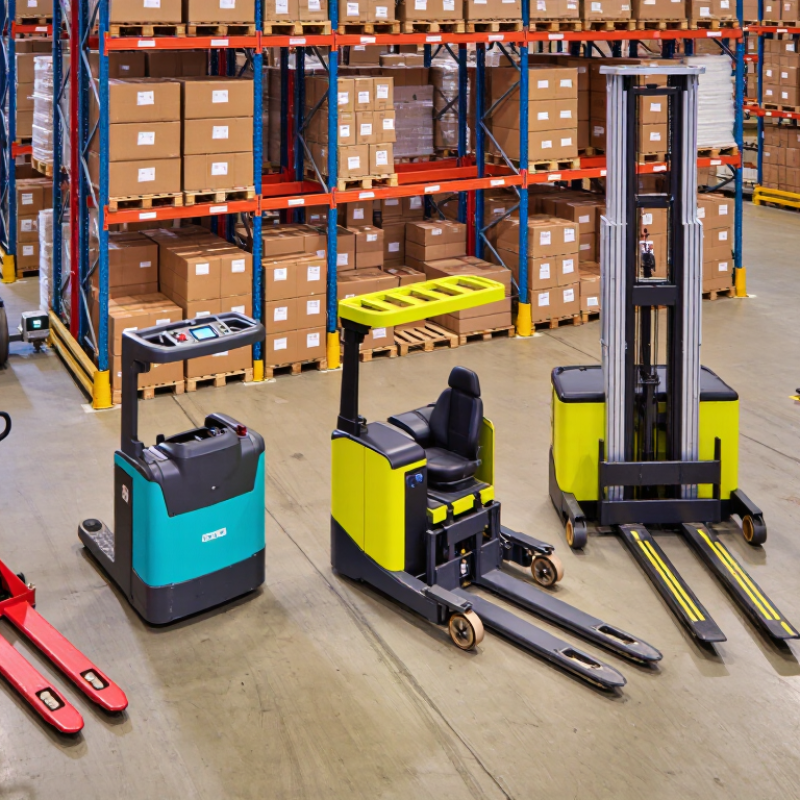
A pallet truck is a low-lift material-handling tool designed to move palletized loads across floors. Its forks slide beneath a pallet, while the steering handle controls lifting, lowering, and direction. Hand pallet trucks suit short travel distances and moderate workloads. Electric models reduce pushing effort and support frequent movement in warehouses, loading areas, and production facilities.
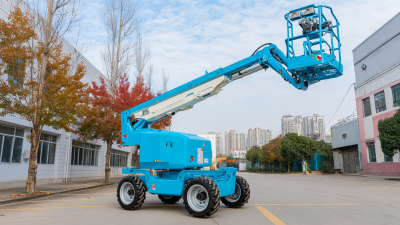
Selection should begin with the working environment, not only rated capacity. Measure pallet dimensions, aisle width, floor condition, ramp angles, and daily travel distance. A standard model may work well on smooth concrete. It can struggle on uneven surfaces or outdoor yards. Scissor-lift versions raise loads higher for positioning tasks, while rough-terrain types use larger wheels for imperfect ground. These differences affect control, maintenance, and operator fatigue.
Experience shows that small details often decide performance. Handle height, fork length, turning radius, and wheel material influence daily comfort. Check the load center carefully. A heavy item placed too far forward can reduce stability, even when the total weight remains below capacity. Battery-powered equipment also needs charging space, inspection routines, and trained operators. Buyers should request clear specifications, service guidance, spare-part availability, and safety documentation. Ratings can differ between suppliers, so comparison requires careful reading. A cheaper unit may become expensive when wheels wear quickly or local technicians cannot support it. Even experienced teams sometimes overlook floor joints and doorway thresholds. That mistake deserves review.
2026 Top Pallet Truck Types for Global Buyers
For global buyers, “pallet truck” covers several machines, not one standard tool. A manual pallet truck uses a hydraulic pump, steering handle, and two forks. The operator pulls the handle repeatedly, lifting a loaded pallet a few centimeters. It suits short movements, low usage, and simple storage rooms. However, it becomes slow on ramps or during long shifts. The 2024 MHI Annual Industry Report says 55% of supply-chain leaders plan increased technology investment. That trend does not make manual equipment obsolete.
An electric walkie pallet truck replaces hand pumping with a battery-powered drive and lift motor. The operator walks behind it and controls speed from the tiller. A ride-on pallet truck adds a platform, improving travel speed across larger facilities. Its compact frame can still struggle at dock plates or uneven floors. A high-lift pallet truck raises forks to waist height for order preparation. It reduces bending, yet it is not a complete replacement for a stacker.
Powered models need charging discipline, pedestrian controls, and trained operators. OSHA estimates that powered industrial trucks cause about 35,000 serious injuries annually in the United States. That figure covers more than pallet trucks, but it deserves attention. Capacity plates, turning space, battery type, and floor condition should guide selection. A cheap manual unit may become expensive when every trip takes longer. My less comfortable view: buyers often compare purchase prices before measuring workflow. That is an easy mistake.
| Pallet Truck Type | How It Works | Typical Load Capacity | Typical Lift Height | Power Source | Best Applications | Main Advantages | Key Limitations |
|---|---|---|---|---|---|---|---|
| Manual Hand Pallet Truck | The operator pumps the tiller handle to raise hydraulic forks and pulls or pushes the truck to move a pallet. | 2,000–5,000 kg | 65–200 mm | Manual hydraulic pump | Short-distance pallet movement, retail back rooms, small warehouses and loading areas. | Low purchase cost, simple construction, easy maintenance and no battery charging. | Requires physical effort and is less efficient for long travel distances or frequent handling. |
| Electric Walkie Pallet Truck | An electric drive motor moves the truck while an electric or electro-hydraulic system raises the forks; the operator walks behind or beside it. | 1,500–2,500 kg | 65–200 mm | Rechargeable lead-acid or lithium-ion battery | Horizontal transport, order staging, delivery vehicles and medium-duty warehouse work. | Reduces operator fatigue, offers controlled travel and usually needs less space than a ride-on truck. | Battery charging, maintenance and pedestrian safety controls are required. |
| Electric Ride-On Pallet Truck | The operator stands on a platform or sits on the truck while electric drive and hydraulic systems handle travel and fork lifting. | 2,000–3,000 kg | 65–200 mm | Rechargeable battery | Long travel routes, cross-docking, high-volume distribution centers and trailer loading. | Higher travel speed and productivity with less walking over long distances. | Higher cost, larger turning radius and greater training and safety requirements. |
| Double Pallet Truck | Extra-long forks or a dual-pallet configuration allow two standard pallets to be carried at the same time, subject to rated capacity. | 2,000–2,500 kg total | 65–200 mm | Manual or battery-powered | Moving two lightweight pallets together in shipping, receiving and staging operations. | Improves throughput when pallets are compatible and the travel route is clear. | Longer overall length reduces maneuverability; the combined load must remain within the rated capacity. |
| High-Lift Pallet Truck | A scissor or mast lifting mechanism raises the forks above the normal transport height for positioning or ergonomic work. | 1,000–1,500 kg | 800–3,000 mm | Manual hydraulic or battery-powered hydraulic system | Work-positioning, low-level order picking, pallet access and ergonomic material handling. | Reduces bending and can serve as a mobile work platform for suitable loads. | Capacity decreases at greater lift heights; it is not a substitute for a reach truck or forklift for high racking. |
| Pallet Truck with Weigh Scale | Load cells integrated into the fork or frame measure the pallet weight while the truck transports it. | 2,000–2,500 kg | 65–200 mm | Manual or battery-powered; display uses a battery | Inbound verification, dispatch, inventory checks and freight documentation. | Combines weighing and transport, reducing extra handling and fixed-scale requirements. | Accuracy can be affected by uneven floors, shock loading, temperature and calibration condition. |
| Stainless-Steel Pallet Truck | A corrosion-resistant frame, forks and components operate like a manual or powered pallet truck while tolerating frequent washdown. | 2,000–3,000 kg | 65–200 mm | Manual hydraulic or battery-powered | Food processing, pharmaceutical, chemical and other hygiene-controlled environments. | Improved corrosion resistance and easier cleaning compared with standard painted steel. | Higher purchase cost; corrosion resistance depends on the complete construction and cleaning chemicals used. |
| Rough-Terrain Pallet Truck | Large pneumatic or traction tires, increased ground clearance and a reinforced frame help move palletized loads over uneven outdoor surfaces. | 1,000–2,500 kg | 65–120 mm | Manual hydraulic or engine/battery-powered drive | Construction sites, farms, landscaping yards and outdoor storage areas. | Handles surfaces where standard warehouse pallet trucks may become unstable or immobilized. | Less efficient on smooth indoor floors and generally has a larger footprint and higher operating cost. |
| Low-Profile Pallet Truck | Extra-low forks enter pallets with reduced clearance, allowing handling of pallets or skids designed with a low underside. | 1,000–2,500 kg | 45–100 mm | Manual hydraulic or battery-powered | Special pallets, skids, export packaging and low-clearance material handling. | Works with load bases that standard forks cannot enter. | Reduced ground clearance can increase the risk of floor contact on damaged or uneven surfaces. |
Note: Capacity and lift-height figures are typical market ranges for general comparison. Actual ratings depend on fork dimensions, load center, battery configuration, operating environment and the equipment's certified data plate.
Choosing a pallet truck for 2026 requires more than comparing load capacity and purchase price. Manual pallet trucks suit short movements, low budgets, and simple warehouse layouts. Electric models reduce operator effort during repeated transport. Rough-terrain versions need larger wheels, stronger frames, and better ground clearance.
Start with the working environment. Measure aisle width, floor condition, ramp angles, and daily travel distance. A 2,500-kilogram capacity may look attractive, but it can reduce maneuverability in narrow aisles. Fork length also matters. Longer forks support larger pallets, while shorter forks improve control in crowded storage areas. Small details matter.
Battery design deserves careful comparison across markets. Check charging time, operating hours, replacement cost, and local power compatibility. Cold regions may require battery protection, while humid areas need sealed electrical components. Ask whether service technicians and spare parts are available locally. A technically advanced truck is less useful when basic maintenance takes weeks.
Safety features should include controlled lowering, emergency stopping, stable steering, and clear visibility around the load. Noise levels may affect indoor operations and worker comfort. My own comparison mistake would be trusting catalog figures without testing a loaded truck. Real floors, uneven pallets, and busy corners reveal weaknesses quickly. Buyers should request practical trials, not only polished specifications.
Choosing the right pallet truck begins with the warehouse floor, not the catalog. Manual pallet trucks suit short moves, low traffic, and tight budgets. Electric walkie models reduce pushing effort during repeated transfers. Rider pallet trucks work better for longer travel across large distribution areas. Scissor-lift versions can raise loads for safer picking tasks, but they need more space and careful maintenance.
Check load weight, pallet dimensions, aisle width, floor condition, and daily travel distance. A 2,000-kilogram capacity may sound practical, yet it can be unnecessary for light cartons. It may also increase purchase and service costs. In humid or dusty areas, sealed controls and protected components deserve attention. Operators should test turning, braking, visibility, and handle comfort with a real pallet. Product sheets cannot show every warehouse problem.
Tips: Measure the narrowest aisle first. Record the heaviest common load, not the occasional maximum. Choose lithium power for frequent charging opportunities, but confirm charging procedures and battery support. Train operators before peak season. Do not ignore noise limits near offices or retail areas. A mistake is possible: selecting the fastest truck may reduce control around pedestrians. Review traffic routes, stopping distance, and maintenance access before ordering.
For global buyers in 2026, pallet trucks should be selected by workload, floor condition, and operator skill—not price alone. Manual models suit short moves and low traffic. Electric walkie trucks reduce physical strain in busy warehouses. High-lift versions help position loads, but raised forks require stricter stability controls. Rough-terrain models need larger wheels and accurate load ratings. Safety starts with matching the truck to its real environment.
Check emergency stops, brakes, tiller return, fork welds, and battery connectors before shipment. Operators need training on rated capacity, turning space, pedestrian separation, and charging practice. Keep feet away from wheels and never carry unstable loads. Small defects become serious quickly. Maintenance should cover lubrication, wheel wear, hydraulic leaks, battery condition, and charger inspection. Record every service event with operating hours, findings, and corrective action. A checklist helps, but rushed inspections still happen.
For international purchasing, confirm plug type, voltage, manuals, spare-part availability, warranty procedures, and local service capability. Ask for test reports and traceable serial records. Import duties, delivery terms, and destination safety rules can change the true cost. Verify applicable local requirements before ordering. Do not assume one configuration fits every warehouse. A cheaper unit may wait weeks for a simple wheel. That delay is often overlooked. Request sample documentation and test the after-sales response before placing larger orders.