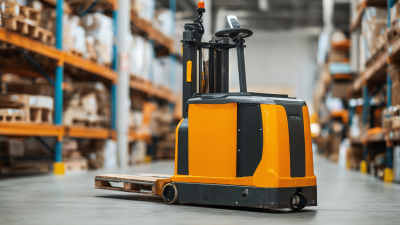
In any warehouse, efficiency is key. A reliable Pallet Jack can make a significant difference. These tools help move heavy loads quickly, reducing strain on workers. Choosing the right Pallet Jack is essential for effective operations.
This guide highlights ten outstanding Pallet Jacks. Each option brings unique features to the table. Some Pallet Jacks offer hydraulic lifting, while others provide electric assistance. It's essential to consider the specific needs of your warehouse. Think about the load capacity, maneuverability, and durability.
However, it's important to reflect on what makes a good Pallet Jack. Some models might not fit all situations. A Pallet Jack that works well in one environment may struggle in another. Evaluating your space and requirements is crucial in making the best choice. Remember, the right tool can enhance productivity significantly.
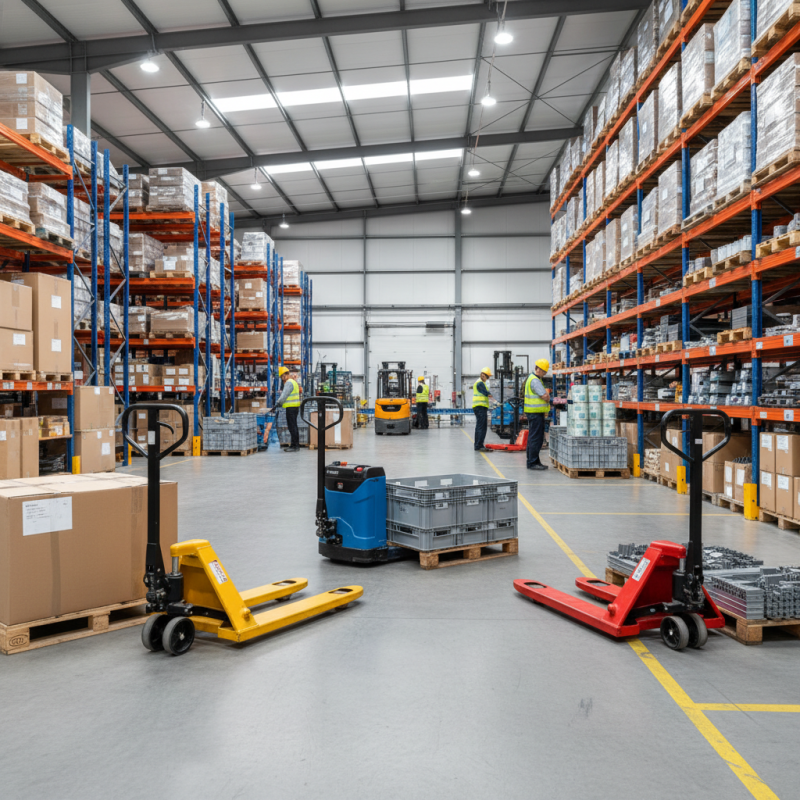
Choosing the right pallet jack can significantly impact warehouse efficiency. Key features like load capacity, maneuverability, and durability play critical roles. Industry reports indicate that optimizing equipment can increase productivity by up to 30%. This statistic highlights the importance of making informed choices.
Load capacity is paramount. Most pallet jacks can handle 4,500 to 5,500 pounds. Choosing a model that exceeds your maximum load can prevent operational setbacks. Maneuverability also matters. A smaller turning radius allows for easy navigation in tight spaces. Reports suggest that efficient movement within aisles can cut time wasted on trips by 20%.
Durability is another essential factor. Many pallet jacks endure heavy use, leading to wear and tear. Investing in models with robust construction can save costs on repairs. Yet, some companies overlook maintenance. Neglected equipment can lead to safety hazards. Regular inspection and upkeep are vital. Reflecting on these aspects can improve overall warehouse performance.
Choosing a pallet jack for heavy goods is essential for efficient warehouse operations. Load capacity is a key factor. Every pallet jack has a specified weight limit. This usually ranges from 2,000 to 8,000 pounds. Understanding your typical load is crucial. If you underestimate, it can lead to equipment failure or workplace accidents.
Consider the weight distribution of your loads. Not every item will sit evenly on the jack. Some pallets may have uneven weight, which can affect stability. It is essential to select a pallet jack that can handle not just the weight, but also the load’s center of gravity. For instance, heavy machinery might require a different type compared to stacked boxes.
Regularly evaluate your warehouse traffic. High-traffic areas might need more robust models. Reflect on past experiences; perhaps you’ve faced challenges with a jack not suited for heavy loads. Take note of how a poorly chosen lift can slow down operations and frustrate the team. Adjusting your selection process based on daily challenges can significantly enhance productivity.
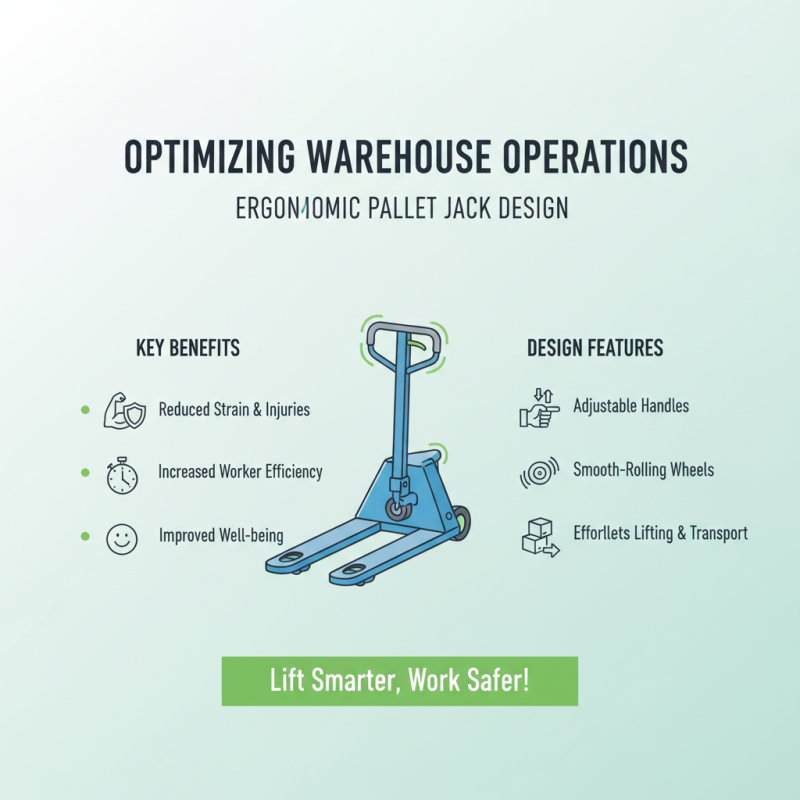
In warehouse operations, the design of pallet jacks significantly impacts worker efficiency and well-being. Ergonomics is crucial in creating equipment that minimizes strain. A well-designed pallet jack reduces the risk of injuries. It allows workers to lift, maneuver, and transport loads with ease. This design features like adjustable handles and smooth-rolling wheels help in making the process smoother.
Tips: Ensure the handle height suits your workers. A comfortable height can reduce back strain during lifting. Consider models with cushioned grips. They can help in reducing fatigue during long shifts. Training on proper lifting techniques is also essential. Even with the best equipment, poor practices can lead to injuries.
Select pallet jacks with stability features. A stable jack reduces the risk of spills and accidents. Look for safety features like automatic braking. This aspect is often overlooked but essential for maintaining a safe work environment. Evaluate how the design works under real conditions; not all designs perform well when put to the test. Small adjustments can make a big difference in overall safety and productivity.
In warehouse operations, mobility is crucial. The design of wheels impacts how efficiently pallet jacks can move. According to industry reports, improper wheel design can lead to 25% productivity loss. This data emphasizes the need for optimal wheel layouts. For instance, larger wheels enhance stability over uneven surfaces. Small wheels might cause delays when navigating tight spaces.
Maneuverability matters too. A good wheel configuration allows operators to pivot easily. Studies show that 30% of workplace injuries stem from equipment that is hard to control. Inadequate wheel support can increase strain on workers. This not only slows down operations but raises safety concerns.
In real-world settings, operators often struggle with outdated designs. Upgrading to better wheel systems can yield significant benefits. For example, investing in wheels that can swivel 360 degrees enhances agility. However, cost considerations often hinder these upgrades. Companies must weigh the benefits against budget constraints. It's essential to find a balance for maximum efficiency.
| Model | Load Capacity (lbs) | Fork Length (in) | Wheel Design | Maneuverability Rating |
|---|---|---|---|---|
| Model A | 5,500 | 48 | PU Wheels | 9/10 |
| Model B | 4,400 | 36 | Nylon Wheels | 8/10 |
| Model C | 6,000 | 48 | Rubber Wheels | 7/10 |
| Model D | 5,000 | 42 | Polyurethane Wheels | 9/10 |
| Model E | 4,000 | 48 | Steel Wheels | 6/10 |
| Model F | 5,500 | 60 | Heavy Duty Wheels | 10/10 |
| Model G | 4,500 | 36 | Soft Wheels | 7/10 |
| Model H | 6,000 | 48 | Double Wheel Design | 9/10 |
| Model I | 4,800 | 42 | Ergonomic Wheels | 8/10 |
| Model J | 5,200 | 48 | Enhanced Stability Wheels | 10/10 |
Maintaining pallet jacks is crucial for optimal performance and longevity. Regular inspections play a vital role. The Occupational Safety and Health Administration (OSHA) recommends that equipment be inspected daily. This reduces the risk of accidents and costly downtime. Checking for hydraulic leaks, wheel wear, and overall functionality is essential. Small problems, if ignored, can escalate and disrupt operations.
Lubrication is another key aspect of maintenance. According to industry studies, lack of proper lubrication can lead to a 20% reduction in efficiency. Applying grease to joints and wheels can prevent wear and increase lifespan. Additionally, operators should be trained in proper handling techniques. Improper use can cause undue stress on the equipment. Forks should not exceed load limits. Awareness of load distribution can save both the jack and the operator from potential issues.
Finally, storing pallet jacks in a designated area protects them from environmental damage. Extreme temperatures and humidity can deteriorate materials. A well-organized warehouse ensures that tools are readily available and in good condition. However, it’s easy to overlook these details in a busy environment. Regular reminders about maintenance can help keep safety and efficiency at the forefront. Implementing these practices fosters a culture of care among workers, essential in high-paced settings.