How to Choose the Best Manual Pallet Jack for Your Needs?
Choosing the right Manual Pallet Jack can significantly impact your business operations. These essential tools streamline the movement of goods, making them invaluable in warehouses and logistics. With various models available, selecting the best one can be challenging.
Consider your specific needs. Factors such as weight capacity, fork size, and build quality are crucial. A Manual Pallet Jack that fits your requirements can improve efficiency and reduce downtime. However, not every option will suit your operations perfectly.
It's essential to weigh the pros and cons carefully. Sometimes, a more expensive model offers better longevity and reliability. In contrast, a budget-friendly choice may suffice for lighter tasks. Ultimately, investing time in research can lead to more informed decisions and a better fit for your unique needs.
Understanding the Basics of Manual Pallet Jacks
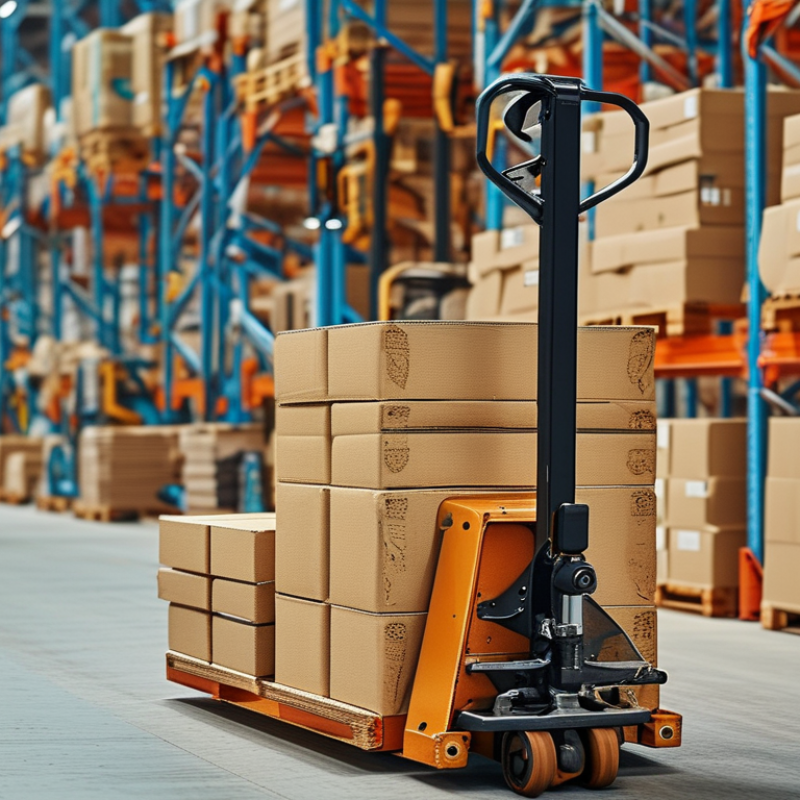
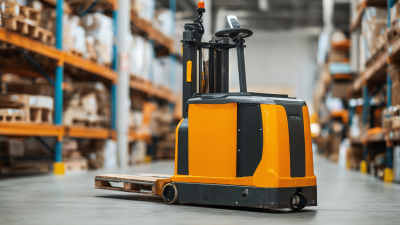
Manual pallet jacks are essential tools for warehouses and distribution centers. Understanding their basic components is crucial for effective use. Generally, a manual pallet jack consists of a fork, a handle, and wheels. The fork is the part that slides beneath pallets, lifting and transporting loads. The handle allows operators to maneuver the jack easily.
When selecting a manual pallet jack, consider the weight capacity. Some models can lift heavier loads than others. Check the lifting height as well. Certain environments may require higher reach. Pay attention to the wheel type as well. Polyurethane wheels are quieter and more durable on smooth floors, while rubber wheels work better on uneven surfaces.
Many users overlook routine maintenance. A well-maintained pallet jack operates more efficiently. Regularly inspect the wheels and forks for wear. Lubricate moving parts to ensure smooth handling. This can prolong the jack's lifespan. Reflect on how a poorly maintained pallet jack could lead to workplace accidents. Proper care is not only beneficial but necessary.
Evaluating Your Load Capacity Requirements
Choosing the best manual pallet jack involves understanding your load capacity requirements. Load capacity refers to the maximum weight the pallet jack can safely lift and transport. This is critical for ensuring both safety and efficiency in your operations.
Evaluate the average weight of the items you need to move. If your loads vary significantly, consider a jack with a higher capacity to accommodate future needs. Remember, regular overloading can damage the jack and lead to accidents. Look for models that offer a balance between weight distribution and maneuverability.
Here are a few tips: ensure you check the manufacturer’s specifications on load limits. Knowing your heaviest items helps you make an informed choice. It might be tempting to choose a jack with a higher capacity than needed for versatility, but this could lead to unnecessary costs. Finding the right balance is essential.
Additionally, test the jack with real load scenarios if possible. This will give you a feel for its performance under pressure. Sometimes, specs on paper don’t reflect the actual handling experience. Regularly reassess the load requirements as your needs may change over time. This reflection keeps your operations safe and effective.
Assessing Fork Dimensions and Design Options
When selecting a manual pallet jack, the fork dimensions and design options play a crucial role. The width and length of the forks directly impact the jack's capacity to handle various pallet sizes. Many jacks come with standard fork widths of 27 inches, but models with narrower or wider options exist. This is vital for specific operations, especially in cramped spaces. If your warehouse has standard pallets, a typical jack may suffice. However, unique pallets may require specialized jacks.
The design of the forks also influences the overall functionality. Some forks feature a tapered design, making it easier to slide under pallets. Others are more robust and better suited for heavy load capacities. Consider the heights of the pallets you frequently lift. A lower fork profile can be beneficial for certain industrial environments. Regularly assess if the current fork design meets your needs, as evolving inventory may necessitate a reevaluation.
Investing time in researching these dimensions can lead to enhanced operational efficiency. Understanding your specific requirements aids in making an informed decision. Reflect on your daily operations. Are you often dealing with heavy loads or varying pallet sizes? Such reflections guide you toward the best manual pallet jack tailored for your unique demands.
Manual Pallet Jack Fork Dimensions Comparison
Comparing Wheel Material and Configuration
When selecting a manual pallet jack, wheel material and configuration play crucial roles. Polyurethane wheels are known for their durability. They offer excellent resistance to wear and can handle heavy loads with ease. However, they might not perform well on rough surfaces. In contrast, rubber wheels provide better traction and are gentle on flooring. They absorb shocks effectively, offering a smoother ride over uneven ground.
The wheel configuration is another critical aspect. A two-wheel design is ideal for maneuvering in tight spaces. It offers agility but may lack stability under heavy loads. Conversely, a three or four-wheel configuration enhances balance and load capacity. This design is more suitable for warehouse environments with frequent heavy lifting. Reflecting on your workspace can guide you in making a thoughtful choice.
Consider your workflow and path challenges. For example, if navigating narrow aisles is common, prioritize wheel size and agility. If your operations involve transporting goods over long distances, choose wheels designed for comfort and steadiness. It can be an oversight to focus solely on price rather than functionality. Choosing the right wheel configuration can significantly impact efficiency and safety in the long run.
Considering Ergonomics and User Comfort Features
When choosing a manual pallet jack, ergonomics plays a critical role in user comfort. The design should promote a natural posture to minimize strain. Look for features like an adjustable handle height. This allows users of different heights to operate the jack comfortably. Wider handles can also enhance grip, making it easier to maneuver heavy loads.
User comfort goes beyond just the handle. Some pallet jacks come with cushioned grips to reduce pressure during operation. A smooth lifting mechanism can also prevent jarring motions as you raise or lower loads. Users often overlook wheel design, yet it significantly impacts maneuverability. Larger wheels can roll smoothly over uneven surfaces, reducing the physical exertion required.
Reflecting on your usage scenarios is essential. If you frequently transport goods over long distances, consider the jack's weight and ease of handling. Smaller, lighter jacks might be tempting, but they can lack stability. Remember, comfort and safety should go hand in hand. A good manual pallet jack should ultimately make your job easier, not harder. Balancing comfort with functionality is vital for large-scale operations or everyday tasks alike.
 Skip to content