Skip to content

What is a Boom Lift and How Does It Work?

A Boom Lift is a versatile piece of equipment widely used in construction and maintenance. It provides a platform for workers to reach high places safely. These machines are essential for various tasks, from building repairs to tree trimming.

Understanding how a Boom Lift operates is crucial. It features a telescopic arm that can extend to significant heights. Workers can maneuver this arm to access challenging spots. Safety is paramount, yet operators sometimes overlook training. Proper training is vital to prevent accidents and ensure efficient use of the lift.

Maintenance also plays a critical role in the performance of a Boom Lift. Regular inspections help identify wear and tear. Equipment may fail when neglected, causing work delays. Reflecting on these aspects can improve safety and productivity on job sites.
What is a Boom Lift and How Does It Work?

What is a Boom Lift?

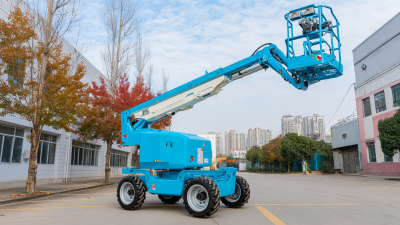
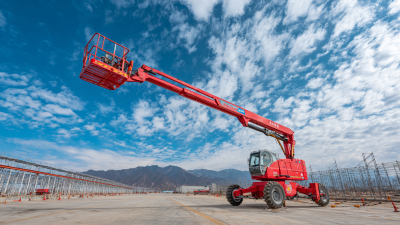
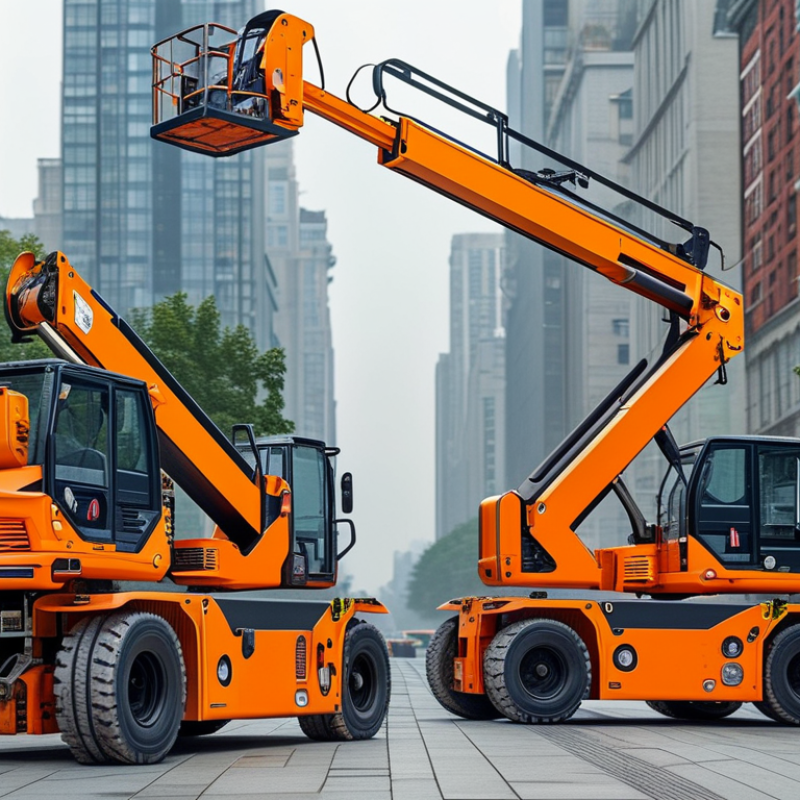
A boom lift is a versatile piece of equipment that offers elevated access for various tasks. It features a long, extendable arm that can reach heights of up to 150 feet or more. This design allows workers to perform tasks at significant elevations safely. Operators use controls to maneuver the lift precisely, enabling them to reach areas that might be hard to access otherwise.

Understanding how a boom lift works is essential for effective use. The platform moves vertically along the boom's arm. It can swivel to adjust the angle, providing flexibility. While boom lifts are advantageous, operators must consider their stability. Uneven surfaces can pose dangers. A proper footing is crucial for safety. Conducting routine inspections before each use can prevent accidents and equipment failure. Training is vital; operators must be aware of the lift's limitations and capabilities. Ultimately, a boom lift can enhance productivity but requires responsible handling and awareness of its potential hazards.

Types of Boom Lifts Explained

Boom lifts are essential equipment in construction and maintenance industries. They provide workers with elevated access to hard-to-reach areas. Different types of boom lifts cater to various needs. Understanding these types can help in selecting the right lift for specific tasks.

There are two main types of boom lifts: articulating and telescopic. Articulating boom lifts have joints, allowing them to maneuver around obstacles. This feature is ideal for tight spaces or complex structures. Telescopic boom lifts, on the other hand, extend straight up. They offer height and stability, making them suitable for high-rise buildings. Each type has its strengths, but using the wrong one can pose safety risks.

Consider the working conditions and necessary reach before choosing a boom lift. Overestimation of height or underestimation of stability can lead to accidents. It’s crucial to assess your environment and requirements carefully. Knowing the specifics of each type ensures effective use and enhances safety.

Types of Boom Lifts and Their Applications

How Boom Lifts Operate Mechanically

Boom lifts are specialized machinery designed to elevate personnel and equipment. They provide flexibility at various work sites, making them essential in construction, maintenance, and more. Mechanical operation relies on a hydraulic system. The boom extends through hydraulic pistons, allowing the platform to reach impressive heights.

A report by Allied Market Research states the boom lift market reached $8.1 billion in 2020, showcasing significant growth. This equipment can achieve heights exceeding 180 feet, facilitating work in tall buildings and structures. The mechanical complexity involves a series of joints and pivots that enable movement. Operators must understand angles and weight distribution to ensure safety.

Tip: Regular maintenance of hydraulic systems prevents leaks and malfunctions. Inspect seals and hoses quarterly to avoid downtime.

Understanding a boom lift's tilt and extension capabilities is crucial. Operators should review manufacturer guidelines thoroughly. Even experienced users face challenges like wind conditions affecting stability. Safety protocols must be a priority to minimize accidents.

Tip: Use spotters during lifts in busy areas. They help guide movements and maintain awareness of surroundings.

Safety Features of Boom Lifts

Boom lifts are essential in construction and maintenance tasks. Their design allows workers to reach great heights safely. However, the safety features are crucial to prevent accidents and ensure worker well-being.

Many boom lifts come with automatic safety devices. For instance, they feature limit switches that prevent the boom from exceeding operational limits. According to a report by the International Powered Access Federation, proper use of these safety features can reduce accidents by 20%. Regular inspections help identify issues before they lead to accidents, promoting a safer work environment.

Tips: Always inspect equipment before use. Look for worn cables, hydraulic leaks, or malfunctioning controls. Training is vital, too. Ensure all operators understand safety protocols. Awareness of surroundings can make a significant difference in avoiding accidents. While technology provides many safeguards, human factors still play a vital role in overall safety. Overconfidence can lead to oversights. So, remain vigilant, even with advanced equipment.

Applications of Boom Lifts in Various Industries

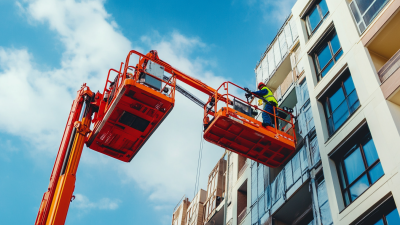
Boom lifts have revolutionized access in diverse industries. These machines extend vertically and horizontally, providing a safe platform for workers. They are crucial in construction, maintenance, and entertainment. In construction, boom lifts enable teams to reach high walls and rooftops easily. Workers can carry tools and materials up, reducing time and increasing efficiency.

In the maintenance sector, boom lifts help technicians access hard-to-reach areas. For instance, they are often used to service streetlights or clean building exteriors. Their versatility is invaluable in both commercial and residential spaces. Additionally, in the entertainment industry, boom lifts setup lights and effects for concerts and events.

While boom lifts have many advantages, they also come with challenges. Operators must be trained to manage different terrains and weather conditions. Safety protocols are essential to prevent accidents. Proper inspections are required to ensure equipment reliability. This continuous need for diligence reflects the responsibility that comes with using these powerful machines.