2026 How to Choose the Best Shale Shaker Screen for Your Needs?
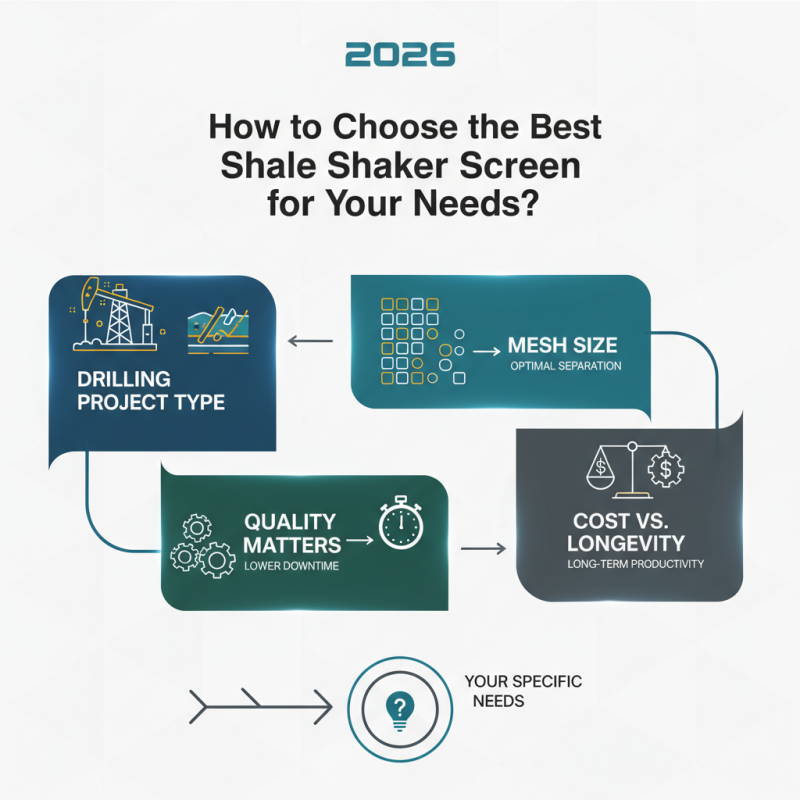
Selecting the right shale shaker screen is crucial for efficient drilling operations. With various options available, it can be overwhelming. Each screen has unique specifications and applications. A suitable shale shaker screen enhances performance and reduces downtime.
Consider the type of drilling project you’re working on. The screen's mesh size is essential. Different applications require different mesh sizes for optimal separation. A precise match can lead to better results and lower costs. However, many overlook this detail. They often fall into the trap of choosing based solely on price, neglecting other factors.
Quality matters. A well-made shale shaker screen can last longer, albeit at a higher initial cost. Think about the trade-offs. The right choice impacts not just your immediate operation but also the long-term productivity. Reflecting on your specific needs will guide you to the best option.
Understanding the Importance of Shale Shaker Screens in Drilling Operations
Shale shaker screens play a crucial role in drilling operations. They help remove solids from drilling fluids, ensuring smoother operations. Without effective screen systems, the drilling process can face significant inefficiencies. This can lead to longer drilling times and increased costs.
Choosing the right screen is vital. Factors like mesh size and material affect the performance. A finer mesh catches smaller particles but may clog faster. An improper choice may hinder fluid flow. Some may overlook this, leading to costly mistakes. It's important to weigh the pros and cons carefully.
Each drilling project is unique. What works for one operation might not suit another. Understanding specific needs is essential. Operators often find themselves reflecting on past experiences. Learning from mistakes can provide valuable insights for future projects.
2026 How to Choose the Best Shale Shaker Screen for Your Needs?
| Screen Type | Mesh Size (Microns) | Material | Application | Durability (Hours) |
| Composite Screen | 40-200 | Polyester + Steel | Water-based Mud | 150-200 |
| Metal Mesh Screen | 20-100 | Stainless Steel | Oil-based Mud | 200-300 |
| Hook Screen | 30-150 | Polyurethane | Heavy Weight Mud | 100-150 |
| Pyramid Screen | 50-250 | Steel | Fluid Loss Control | 250-350 |
Key Factors to Consider When Selecting Shale Shaker Screens
When selecting shale shaker screens, several key factors must be evaluated. Mesh size is crucial. It affects the separation efficiency. A finer mesh might capture more solids. However, it can also lead to issues with fluid loss.
Consider your drilling fluid properties. Different fluids can behave differently with various screens.
Durability is another factor. Screens are subject to wear and tear. Investing in high-quality materials can save costs long-term. Some screens may appear robust but fail under heavy loads. Check for compatibility with your shaker. Not all screens fit every shaker model, so compatibility is vital.
Tips: Look for screens that offer easy installation. This will save time and effort during changes. Always have a few backups. This ensures smooth operations when needed. Pay attention to the manufacturer’s specifications before making a choice. This step is often overlooked.
Lastly, consider the environment where the screen will operate. Harsh conditions can affect screen performance. Always review past performance and user feedback. It can provide valuable insights. Selecting the right screen requires reflection and careful thought.
Different Types of Shale Shaker Screens and Their Applications
When selecting a shale shaker screen, understanding the different types is crucial. Mesh screens are the most common choice. They come in various sizes, serving different applications. Fine mesh screens capture smaller particles. They are ideal for drilling fluids that require high clarity. Coarser screens handle larger debris and maintain good flow rates. It is vital to consider the balance between filtration and flow.
Another type is the composite screen. These screens combine multiple layers, enhancing durability. They can provide better performance in challenging conditions. The choice of material, such as stainless steel or synthetic, can impact longevity. The right material can reduce wear and tear but may come at a higher cost. Do you weigh the benefits against the expenses?
It is essential to match the screen type with the project's specific needs. Some operations may demand higher efficiency, while others prioritize cost-effectiveness. An incorrect screen type can lead to issues, like reduced fluid recovery. Testing different options may help, but it is not a guarantee. Reflecting on past experiences can guide better choices in the future.
Evaluating Material Quality and Durability of Shale Shaker Screens
When selecting a shale shaker screen, material quality is crucial. The screen must endure various conditions. High-quality materials enhance durability, ensuring the screen performs effectively. Common materials include stainless steel and polymer composites. Each has unique properties affecting strength. Stainless steel screens resist wear, but they can be heavier. Polymer screens are lighter and may provide better flexibility.
Durability also comes from the screen's design. A well-constructed frame will hold up against heavy loads. Perforation patterns play a significant role too. Wider openings may let more fluid through but offer less separation. Finding the right balance is key. Testing screens under real conditions can reveal unexpected issues. Some screens perform well in controlled environments but fail in the field.
Evaluating the screen's lifespan is essential for cost-effectiveness. Screens that wear out too quickly can lead to frequent replacements. This interrupts operations and increases expenses. Users should consider both initial costs and long-term performance. Investing in high-quality materials often pays off. Nonetheless, it's vital to regularly assess performance to adapt to changing needs.
Assessing Cost-Effectiveness and Performance of Shale Shaker Screens
When choosing a shale shaker screen, cost-effectiveness often takes center stage. The right screen can influence the efficiency of your drilling operations. A higher upfront cost does not always guarantee better performance. It's essential to evaluate not just the initial purchase price, but the entire lifecycle cost. Consider aspects like maintenance, durability, and replacement frequency.
Performance metrics play a crucial role in decision-making. Screen mesh size impacts the separation of solids and liquids. Finer screens may capture more particles but can lead to slower flow rates. Balance is key. You might opt for a more robust screen that endures tough conditions. However, it could compromise fluid recovery rates.
Reflect on the operational demands of your projects. Consider the types of drilling fluids you’re working with. For water-based systems, you might need different screens compared to oil-based systems. Test different options in real-world conditions. Sometimes what looks good on paper may not perform well in practice. Keep an open mind and be willing to adapt your choices as needed.
 Skip to content