Skip to content

How to Choose the Best Aluminum Frame Sun Room?

Choosing the right Aluminum Frame Sun Room involves more than comparing prices and attractive photographs. A successful design should match the building, climate, lifestyle, and available space. A sunny garden may welcome a lightweight glass room, while a coastal property needs stronger corrosion protection and carefully sealed joints.

Start with the frame itself. Powder-coated aluminum offers a clean appearance and limited maintenance. However, frame quality varies considerably. Thermal breaks can reduce heat transfer, especially during cold mornings or intense summer sunlight. Double glazing may improve comfort, but glass thickness, coatings, and ventilation also matter. A warm room with no airflow can still feel uncomfortable.

Practical inspection is essential. Check drainage channels, roof pitch, corner joints, door tracks, and locking points. Ask whether the structure is designed for local wind, rain, and snow conditions. Reliable suppliers should provide clear specifications, installation guidance, warranty terms, and evidence of previous projects. Photographs help, but they never replace careful measurements.

There is no universal best choice. An experienced installer can identify problems that a catalogue hides, such as uneven paving or difficult water runoff. Even careful planning can miss small details. I once underestimated how quickly afternoon glare could heat a glass space. That mistake changed the final specification. This guide examines frame construction, glazing, insulation, ventilation, maintenance, cost, and installation quality, helping homeowners make a more informed and realistic decision.
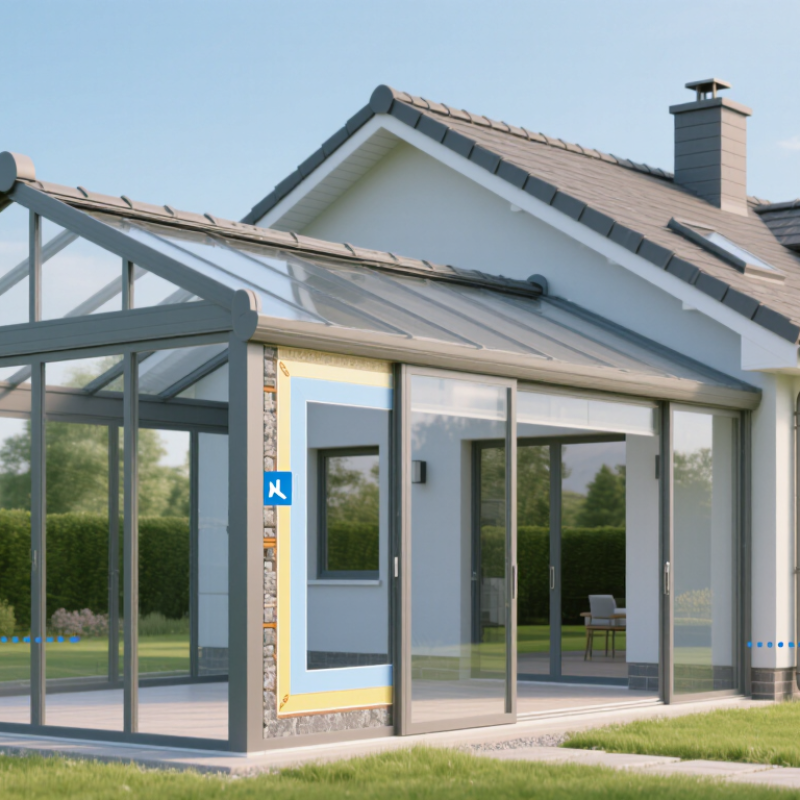
How to Choose the Best Aluminum Frame Sun Room?

Understanding Aluminum Frame Sun Room Designs

Choosing an aluminum frame sun room starts with its design, not its color. In practice, I examine how the room will be used throughout the day. A reading space needs soft light, while a dining area may require wider openings and stronger ventilation. Details matter. Slim aluminum profiles create clear views, but they can feel cold without thermal breaks. Roof shape also changes the room’s character. A sloped roof sheds rain efficiently, while a flat-looking roof offers a modern profile but demands careful drainage.

Good design connects structure, glazing, and climate. Double or triple glazing can improve comfort, yet glass selection should match local heat, wind, and noise conditions. Low-emissivity coatings may reduce summer heat, but they also affect winter warmth and daylight. Ask for tested U-values, air leakage data, and water resistance results. These documents provide stronger evidence than attractive computer drawings. I also check corner joints, seals, gutters, and opening hardware. Small gaps matter. They can undermine an otherwise excellent enclosure.

Orientation deserves practical attention. South-facing rooms may need external shading, while west-facing glass often receives harsh afternoon sun. Operable windows, roof vents, and discreet blinds help control temperature without relying only on mechanical cooling. Safety glazing and secure locks should follow applicable local building requirements. A careful installer should explain expansion movement, maintenance access, and expected condensation points. I once underestimated glare in a bright room; the space looked beautiful, but the table became uncomfortable at noon. Design drawings should welcome that criticism before construction begins.

Assessing Sun Room Size, Location, and Intended Use

Choosing the right aluminum frame sunroom begins with its size, location, and daily purpose. A compact 3-by-4-meter room may suit reading or morning coffee. A larger space needs stronger roof support and careful heat control. Measure furniture, walking paths, and door clearance before ordering. My first plan ignored the opening swing, and the room felt cramped.

Location affects comfort more than many homeowners expect. A south-facing sunroom receives strong daylight but may become uncomfortably hot in summer. East-facing glass offers gentle morning light, while west-facing glass can create intense afternoon glare. Check nearby trees, roof shadows, drainage, and wind exposure. The ground should be level and stable. An aluminum frame resists rust, but poor installation can still cause movement and leaks.

Think honestly about how the room will be used. A dining area needs ventilation, easy-clean flooring, and space for chairs. A home office needs reduced glare and reliable temperature control. If children will use it, choose safe glazing and avoid sharp furniture edges. Include windows that can open across the room for cross-ventilation. Local building requirements may affect foundations, insulation, and electrical work. Professional measurements are valuable, though they cannot replace your own daily observations. Stand outside at different hours. Notice the heat. Notice the noise. Then revise the plan.

Comparing Frame Materials, Glass Types, and Insulation

How to Choose the Best Aluminum Frame Sun Room?

Aluminum frames offer strength, slim sightlines, and low maintenance. However, untreated aluminum transfers heat quickly. Choose a thermally broken frame with insulated sections between the inner and outer metal. From practical installation experience, this reduces condensation around winter glass. It also makes the room feel less cold near the frames. Frame depth matters too. A deeper profile usually supports better seals and stronger glazing. Yet, bigger is not always better. Poorly fitted joints can still allow drafts.

Glass selection should match your climate and room direction. Double glazing suits many mild areas, while triple glazing helps in colder regions. Low-emissivity coatings limit heat loss without making the room dark. Solar-control glass can reduce summer glare, especially on south- or west-facing walls. Laminated inner glass improves safety and reduces noise. Insulation should continue across the roof, walls, and floor. A well-insulated frame cannot compensate for a thin, poorly sealed roof. I have seen attractive sun rooms become uncomfortable because installers focused on windows alone.

Tips: Ask for the frame’s thermal-break specification and the glass U-value. Check whether the roof includes continuous insulation. Examine corner seals carefully. Small gaps become noticeable on windy days. Ventilation also matters, because excellent insulation can trap humid air. My own preference is balanced performance, not the highest specification. Some upgrades sound impressive but offer little value in a shaded garden. Recheck the design after considering sunlight, winter temperatures, and daily use.

Evaluating Durability, Ventilation, Safety, and Maintenance

How to Choose the Best Aluminum Frame Sun Room?

Durability begins with the aluminum frame, not the finish alone. Look for corrosion-resistant profiles with consistent wall thickness and secure corner joints. A rigid frame should remain stable when doors open or strong winds shake the structure. Ask for load information, drainage details, and installation guidance. Local building requirements still matter. A beautiful sun room can fail when its foundation settles or water enters unnoticed.

Ventilation directly affects comfort and indoor air quality. Choose operable windows, roof vents, or adjustable louvers that create cross-breezes. Airflow matters. Place openings on different walls when possible, rather than relying on one large window. Safety requires tempered or laminated glass, reliable locks, rounded hardware, and guards where children may reach. Check whether the design includes emergency access. I once underestimated afternoon heat in a glass enclosure; shade planning should never be an afterthought.

Maintenance should remain practical for one person. Select accessible gutters, replaceable seals, and finishes that tolerate regular cleaning. Inspect joints after heavy rain, especially around the base and roof edges. No frame lasts forever. Even durable aluminum can show staining, loose fasteners, or blocked drainage. A seasonal inspection is sensible, but not flawless; dust and small leaks can appear between checks. Keep installation records and product specifications for future repairs.

How to Choose the Best Aluminum Frame Sun Room? - Evaluating Durability, Ventilation, Safety, and Maintenance

Evaluation Dimension Recommended Specification or Benchmark What to Check Before Purchase Why It Matters Maintenance and Safety Notes
Frame Material Architectural aluminum alloy with corrosion-resistant protective treatment. Confirm the alloy and temper, profile wall thickness, corner construction, and whether the frame is thermally broken. Aluminum provides high strength relative to its weight and does not rot or warp like untreated timber. Inspect joints and coatings periodically for damage, especially in coastal or industrial environments.
Corrosion Protection Anodized or powder-coated finish designed for exterior exposure; color and coating performance should be documented. Look for a uniform finish, sealed cut edges, compatible fasteners, and written cleaning instructions. A durable finish reduces oxidation, staining, and premature surface deterioration. Wash with clean water and a mild detergent; avoid abrasive pads, strong acids, and alkaline cleaners.
Thermal Performance Thermally broken aluminum profiles with insulated glazing and continuous perimeter seals. Request the whole-window U-value or U-factor rather than relying only on the frame material description. A thermal break reduces heat transfer through the metal frame and helps limit condensation and temperature swings. Keep drainage paths open and replace compressed or cracked gaskets when necessary.
Glazing Selection Double glazing is generally more insulating than single glazing; low-emissivity glass can further reduce heat transfer. Check glass thickness, spacer type, seal condition, solar-control requirements, and local energy-code compliance. Glazing often represents the largest transparent area, so it strongly affects comfort, energy use, and solar heat gain. Clean with non-abrasive products and inspect the insulating-glass perimeter for fogging or seal failure.
Natural Ventilation Use operable roof vents, top-hung windows, louvers, or opposing openings to create cross-ventilation. Verify that vents can be safely reached or controlled and that insect screens are available where needed. Opening high-level vents allows warm air to escape and can reduce overheating during sunny periods. Keep vent hardware clean and lubricate moving parts only with products approved for the system.
Ventilation Control Manual controls are suitable for simple layouts; automatic temperature or rain sensors can improve convenience. Check power-failure behavior, sensor placement, manual override, and weatherproofing of electrical components. Responsive controls help prevent excessive heat and reduce the risk of rain entering through open vents. Test sensors and emergency overrides periodically; electrical work should follow local regulations.
Weather Resistance Perimeter gaskets, sealed corners, pressure-equalized drainage, and properly flashed connections to the building. Ask for documented air, water, and wind-load test results where applicable and review the installation details. Correct sealing and drainage help prevent drafts, water penetration, staining, and damage to adjacent structures. Clear weep holes and gutters of leaves and debris at least seasonally or more often in heavily wooded areas.
Wind and Structural Strength The structure should be engineered for the site-specific wind speed, exposure, snow load, and roof geometry. Confirm design calculations, anchorage, mullion spacing, roof framing, and compliance with applicable building requirements. Loads vary significantly by location; a generic strength claim cannot replace project-specific engineering. Do not modify structural members or add hanging loads without professional approval.
Safety Glazing Use safety-rated glass where required by local codes, including certain doors, low-level glazing, and hazardous locations. Check whether the glass is tempered or laminated and confirm visible markings or certification documentation. Safety glass is designed to reduce injury risk if it breaks, although the exact requirement depends on the installation. Never drill, cut, or alter installed tempered glass; replace damaged panels promptly.
Door and Window Security Multi-point locking or robust latch systems, anti-lift protection for sliding panels, and lockable handles where appropriate. Test smooth operation, lock engagement, frame alignment, and resistance to forced movement. Security depends on the complete opening assembly, not on the aluminum frame alone. Keep tracks free of grit and adjust rollers or hinges if panels begin to bind.
Drainage Design Sloped sills, accessible weep holes, correctly sized gutters, and downpipes that discharge water away from the foundation. Pour a small amount of clean water into drainage channels and confirm that it exits freely without entering the room. Effective drainage protects seals, flooring, foundations, and interior finishes from water damage. Inspect after severe weather and remove leaves, dirt, and insect nests from all drainage outlets.
Installation Quality Level, plumb, square installation with continuous seals, correctly spaced anchors, and compatible flashing. Request a written installation scope, warranty terms, and confirmation of responsibility for building-interface work. Even high-quality components can leak, stick, or deform when installed out of alignment or without proper flashing. Keep installation records and inspect seals, fasteners, and junctions during the first year.
Routine Maintenance A simple maintenance plan covering cleaning, drainage, seals, hardware, glazing, and coating inspection. Choose components with accessible tracks, replaceable gaskets, standard hardware, and clear care instructions. Simple access and replaceable parts reduce long-term repair time and cost. A practical schedule is seasonal cleaning, periodic hardware checks, and immediate repair of leaks or broken glass.
Overall Selection Priority Prioritize structural suitability, weather resistance, ventilation, safety glazing, thermal performance, and serviceability in that order. Compare complete system documentation rather than only frame appearance or initial purchase price. The best sun room balances local climate requirements, occupant comfort, safety, durability, and lifecycle cost. Have structural and code-sensitive elements reviewed by a qualified local professional before construction.

Note: Performance requirements vary by climate, building code, exposure, roof design, and installation conditions. Always verify project-specific structural, glazing, ventilation, and safety requirements with a qualified professional.

Selecting a Supplier, Budget, and Installation Plan

Choosing an aluminum-frame sunroom begins with the supplier, not the catalogue. Ask for verified project photos, material specifications, and recent customer references. A dependable supplier explains alloy grade, wall thickness, glass performance, drainage design, and hardware quality. Request structural calculations for your site’s wind, snow, and rain conditions. Do not accept vague claims. A warranty matters. So does support. My first estimate once ignored delivery access, and the extra handling cost was avoidable. That mistake changed how I compare quotations.

Build a complete budget before approving drawings. Include the frame, glazing, foundation work, electrical changes, permits, delivery, installation, and interior finishing. Keep a contingency of 10 to 15 percent for concealed site problems. Cheap glass may reduce the initial price but increase heat loss and glare. Compare thermal performance, not only square meters. Ask whether taxes, lifting equipment, sealants, and waste removal are included. Get every allowance in writing. Small omissions become expensive.

An installation plan should show dates, responsibilities, and inspection points. Confirm who measures the opening and who checks the foundation level. The base must be square, drained, and strong enough before framing begins. Installers should protect existing floors and seal joints carefully around doors and roof panels. Ask for a rain test and operating check before final payment. Keep drawings, invoices, maintenance instructions, and warranty records together. Leave room for revision. Real sites rarely match perfect drawings. A careful supplier will discuss changes openly instead of hiding them.