How to Choose the Right Cylindrical Gearbox for Your Needs?
Selecting the right Cylindrical Gearbox is crucial for various industrial applications. A cylindrical gearbox transmits power efficiently and effectively, making it essential for smooth operations. However, not every gearbox will suit your specific needs. Understanding your requirements is the first step.
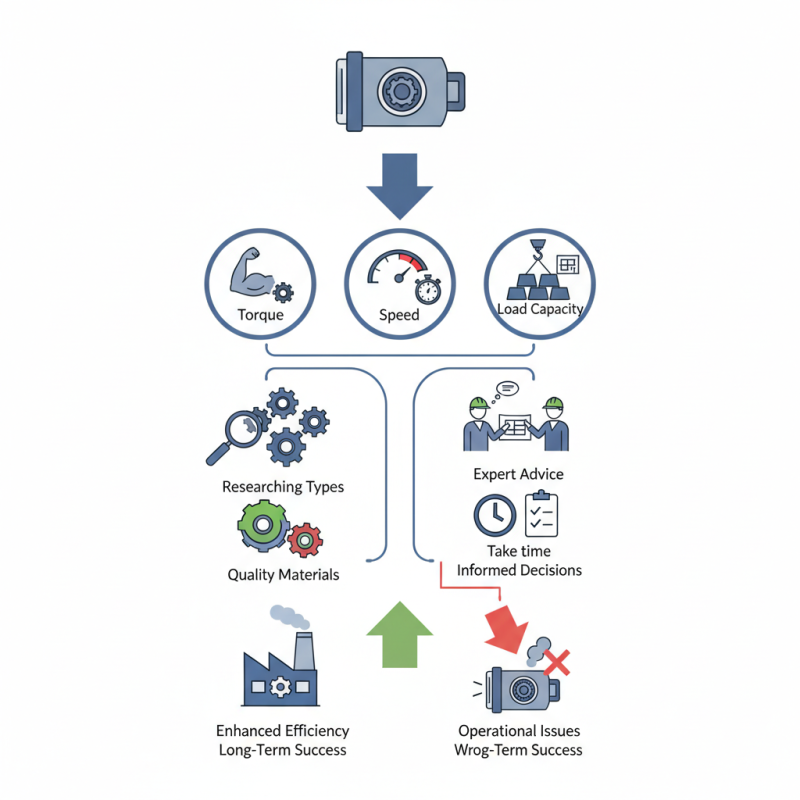
Consider factors such as torque, speed, and load capacity. These elements can significantly impact performance. Researching various types of cylindrical gearboxes will also inform your decisions. Each design has its advantages and limitations. It’s important not to overlook the quality of materials used. Durability is key in high-stress environments.
Don't rush into a decision. Take time to evaluate different models and manufacturers. Seek expert advice when needed. A knowledgeable consultant can clarify the differences among options. A well-chosen cylindrical gearbox can enhance efficiency. Conversely, the wrong choice may lead to operational issues. Prioritize informed decisions to ensure long-term success.
Understanding the Basics of Cylindrical Gearboxes
Cylindrical gearboxes play a crucial role in machinery and automotive applications. They effectively transmit power and adjust torque, making them essential for various processes. At their core, these gearboxes consist of cylindrical gears, which provide smooth and efficient motion transfer. Understanding their function starts with recognizing gear ratios. These ratios dictate how input speed differs from output speed.
When choosing a gearbox, consider materials and design. High-strength steel allows for heavy-duty applications. There are options with different configurations, such as helical or parallel. Each design has unique advantages. Helical gears reduce noise and improve engagement. However, they may require more maintenance.
It's also important to reflect on your specific needs. Sometimes, the ideal gearbox isn't the most powerful one. Efficiency and maintenance concerns can outweigh sheer power. Additionally, consider operational conditions. Vibration and temperature fluctuations may affect performance. Not all gearboxes excel in extreme environments, so thorough research is essential.
Identifying Your Specific Power and Torque Requirements
Choosing the right cylindrical gearbox can be challenging. The key to making the right selection lies in understanding your specific power and torque requirements. Power indicates how much work your system can do in a given time. Torque is the rotational force that drives your machinery.
To determine your needs, start by assessing the load that the gearbox will handle. Consider both the peak and average load conditions. A gearbox that cannot support the necessary torque can lead to equipment failure. You may need to consult machinery specifications for accurate calculations.
Remember, even small changes in load can significantly impact performance. Also, think about the operational environment. Ambient temperatures and exposure to dust or moisture can affect gearbox efficiency. It's important to factor these variables into your decision. Balancing your needs with the available options may not be straightforward. Regularly evaluating your selection criteria is essential for optimal performance.
Evaluating Gearbox Materials and Construction Quality
When selecting a cylindrical gearbox, material and construction quality are paramount. High-quality materials ensure durability and performance. Steel is common for gears due to its strength and resistance to wear. However, understanding the corrosion resistance of materials is essential. Selecting aluminum or certain alloys may be advantageous for specific environments, especially where weight and corrosion are concerns.
Industry reports indicate that around 30% of gearbox failures stem from inadequate material selection. This reinforces the importance of thorough evaluation during the selection process. Pay attention to the manufacturer's specifications regarding material properties. These specifications often include tensile strength, hardness, and fatigue resistance. A gearbox constructed with quality materials will translate into smoother operation and longevity.
Tip: Always review test data and certifications for any gearbox. They provide insight into the material’s performance under stress. Furthermore, consider the manufacturing process. Higher-quality gears often utilize techniques like surface hardening. These techniques enhance the gear's lifespan significantly.
Evaluate the assembly process as well. An improperly assembled gearbox can lead to alignment issues. These problems affect efficiency and can result in premature wear. Seek clear documentation on quality assurance practices from the manufacturer. This information can be invaluable for long-term operational success.
Assessing Input and Output Configurations for Compatibility
When selecting a cylindrical gearbox, assessing input and output configurations is crucial. Compatibility ensures efficiency and reliability in mechanical systems. Focus on the input shaft dimensions to match your motor. Check the output connection for proper fit with other components. A mismatch can lead to increased wear and tear or even system failure.
Tips for compatibility: Measure all dimensions carefully. Account for potential misalignments. Test the gearbox with your application before full integration. Ensure that the torque rating aligns with your operational needs. A gearbox that’s too weak will not perform effectively.
Consider the rotation direction as well. Some systems require specific orientations for optimal function. A poorly matched gearbox can lead to operational hurdles. Reflect on the application environment too—temperature and humidity play a role in performance. Make informed choices to avoid future disruptions.
Gearbox Input Torque vs Output Speed
Considering Operational Conditions and Maintenance Needs
When selecting a cylindrical gearbox, understanding operational conditions is crucial. For instance, gearboxes operate efficiently within specific temperature ranges. The American Gear Manufacturers Association states that temperatures exceeding 80°C can significantly reduce the lifespan and performance of a gearbox. Thus, assess your environment carefully. High humidity and dust can also negatively affect the components.
Maintenance needs should not be overlooked. According to a report from the International gearbox Association, regular inspections can prevent up to 60% of unexpected failures. In many cases, users neglect to perform routine checks. Lack of lubrication is a common issue that leads to increased wear. It is essential to create a maintenance schedule tailored to the operational demands. Also, consider that heavier loads can accelerate wear rates, requiring more frequent maintenance.
Choosing the right gearbox isn't just about specifications. It's about matching the gearbox to its operating environment. Be aware of the trade-offs. Over-engineering may lead to unnecessary costs, while underestimating requirements can cause failures. A well-rounded approach balances efficiency and reliability. Each decision impacts the longevity and performance of the gearbox. Pay attention to these factors for better outcomes.
 Skip to content