Choosing the right Switching Power Supply can seem daunting. As industry expert Dr. Susan Lin once said, “A Switching Power Supply can make or break your project.” Each application requires specific power needs. Understanding these needs is crucial for optimal performance.
Power supplies vary widely in efficiency and design. Some are compact, while others are larger but more powerful. Picking the wrong type could result in inefficiency. Noise, heat, and voltage spikes can occur if the wrong unit is chosen.
Different devices also have different requirements. For example, audio equipment needs clean power to minimize interference. In contrast, industrial applications might prioritize robustness over size. Misjudging these factors can lead to regret. Evaluating your specific needs is essential for selecting the right Switching Power Supply.
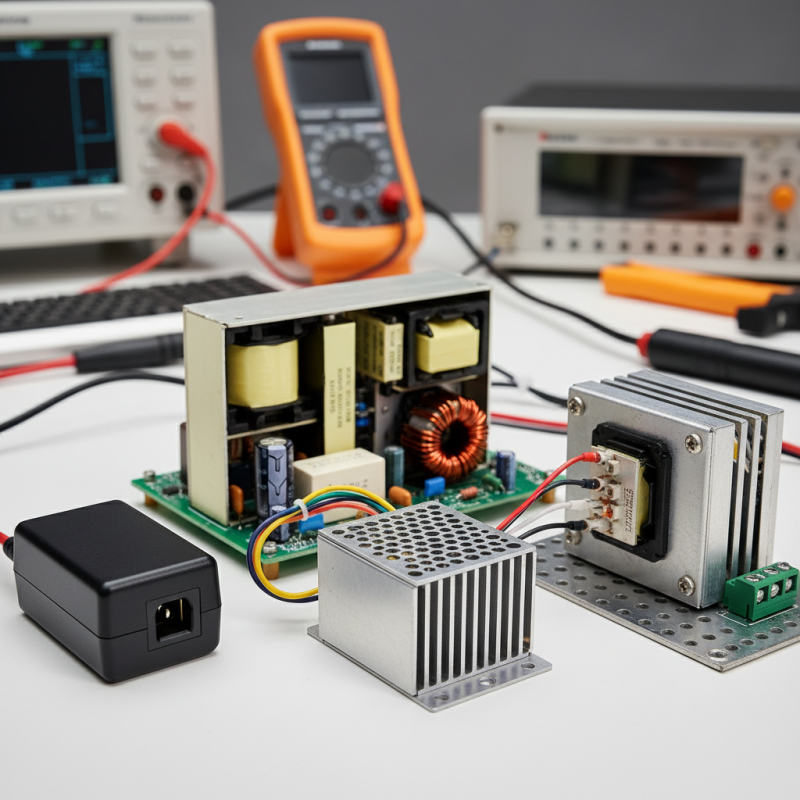
When selecting a switching power supply, understanding your power requirements is crucial. Calculate your total power demand by adding the wattage of all devices you will connect. This ensures you select a power supply that can handle your needs. Remember to consider a buffer too. It is wise to have a supply rated about 20% higher than your total demand. This extra capacity helps prevent overload and prolongs the lifespan of your unit.
Consider the voltage and current specifications as well. Each device typically requires a specific operating voltage. If the voltage is too low, devices may not function. If it’s too high, you risk damaging them. Take time to check the amp ratings as well. A power supply may appear adequate based on wattage but could fall short on current capacity. It’s a common oversight that leads to issues down the road.
Compatibility should not be overlooked. Look at both input and output specifications, as mismatches can lead to performance problems. It's also important to evaluate efficiency ratings. Higher efficiency means less wasted power, but don’t get swayed solely by ratings. Sometimes, the cheapest units are tempting but may lead to higher costs over time due to inefficiency. Balancing performance, cost, and your actual needs takes effort but pays off.
When choosing a switching power supply, understanding the types available is crucial. Generally, there are two primary categories: regulated and unregulated supplies. Regulated power supplies maintain a constant voltage or current output. They are ideal for sensitive electronics, ensuring a steady performance. Unregulated supplies, however, vary in output depending on load changes. This variation can lead to performance issues.
Another important aspect is the topology of the switching supply. Buck converters step down voltage efficiently, while boost converters step it up. Each serves specific applications effectively. For example, if you're powering mobile devices, a buck converter might be the better choice. Conversely, for applications needing higher voltage, a boost converter is necessary.
Finally, consider the efficiency ratings. Higher efficiency means less energy waste, which can save costs in the long run. Even small percentages of efficiency can lead to significant power savings. However, bear in mind that more efficient models are often more complex and costly. Reflecting on your actual needs can help strike the right balance between cost, efficiency, and functionality.
When selecting a switching power supply, efficiency ratings are crucial. They indicate how much power is effectively used. Higher efficiency often reduces wasted energy, meaning lower electricity bills. However, these ratings can be misleading. A power supply might promote a high efficiency at certain loads but perform poorly at others. It’s wise to examine the efficiency curves across various loads before making a decision.
Thermal management is another key aspect. A power supply generates heat during operation. If not managed properly, it can lead to reduced lifespan and performance issues. Good designs include heat sinks and fans to disperse heat. Yet, even the best designs can struggle in tight spaces. Frequent overheating may occur in compact setups, impacting efficiency. It’s essential to assess your environment. Ventilation can make a significant difference, so ensure a proper airflow around the unit. Ultimately, balancing efficiency and thermal considerations is vital for a reliable and cost-effective solution.
When selecting a switching power supply, consider additional features and protection mechanisms. These elements are vital for ensuring reliability and safety. Look for features like over-voltage protection, short-circuit protection, and thermal shutdown. These mechanisms can prevent damage to your devices.
Tips: Choosing a unit with these protective features can save you from costly repairs. Always check the specifications for these protections. Your equipment will thank you.
Another aspect to consider is efficiency. A power supply with high efficiency will produce less heat. This leads to longer life and lower energy bills. Watch for certification ratings like 80 Plus. These ratings can guide you to more efficient options.
It’s important to think about your specific needs. Sometimes, extra features may not be necessary. Overcomplicated systems can lead to confusion. Reflect on what you really require. Balance simplicity and functionality for the best results.
| Parameter | Description | Importance | Recommendation |
|---|---|---|---|
| Output Power | Total power the supply can deliver. | High | Choose based on total load requirement. |
| Output Voltage | Nominal voltage output. | Critical | Ensure it matches the device requirements. |
| Efficiency | Ratio of output power to total input power. | High | Look for efficiency > 80%. |
| Form Factor | Physical size and shape of the unit. | Medium | Choose depending on the installation space. |
| Overload Protection | Prevents damage in case of overload. | High | Ensure it is included for safety. |
| Cooling Mechanism | How heat is managed during operation. | Medium | Consider fanless designs for quiet operation. |
| Input Voltage Range | Range of input AC or DC voltage it can accept. | High | Select a broad range for versatility. |
When selecting a switching power supply, cost and brand reputation are critical factors. Industry reports indicate that about 40% of users consider brand reliability as their top priority. This data suggests a strong link between brand trust and user satisfaction. High-quality power supplies tend to have lower failure rates, reducing long-term costs.
Cost is often an immediate concern. However, buying a cheaper unit can lead to higher expenses over time. Research shows that lower-priced options can result in up to 30% more energy waste. Users should weigh initial costs against potential energy savings and longevity. Inconsistent performance might arise from budget-friendly imports. This can result in unpredictable shutdowns or inefficient power conversion.
Brand reputation not only affects initial trust but also future resale value. Users may struggle to sell underperforming units. Industry analysis shows that products from reputable brands retain value better. User reviews are helpful, but navigating them can be challenging. Misleading feedback might skew perceptions of an otherwise solid product. Balancing these insights is essential for making a well-informed decision.