Choosing the right Pallet Stacker is a practical decision, not a simple price comparison. Warehouse aisles, pallet weights, floor conditions, and operator routines all influence performance. World Industrial Truck Statistics reported more than two million industrial trucks delivered globally in 2023. That scale reflects strong demand, but it also creates confusion for international buyers.
This guide presents seven buying tips for comparing equipment across suppliers and regions. The advice considers rated capacity, lift height, turning radius, battery technology, service access, safety features, and total ownership cost. MHI’s 2024 Annual Industry Report continues to identify labor availability, automation investment, and supply chain resilience as major industry concerns. These pressures make dependable material handling equipment increasingly important. A low purchase price may look attractive beside a loading dock. However, battery replacement, charger compatibility, spare parts, and downtime can change the real cost quickly.
Details matter. A 1,500-kilogram rating does not guarantee safe operation at maximum lift height. A narrow stacker may fit the aisle but struggle on uneven concrete. Regional voltage standards and local service coverage also deserve careful verification. We have seen buyers focus heavily on specifications and overlook operator training. That is an understandable mistake, but still a costly one. Reports from organizations such as OSHA and the International Labour Organization emphasize structured training, risk assessment, and safe workplace practices. This article therefore combines market evidence with practical purchasing experience, helping global buyers ask better questions before signing an order. No checklist is perfect. Conditions differ between warehouses, and that deserves honest consideration.
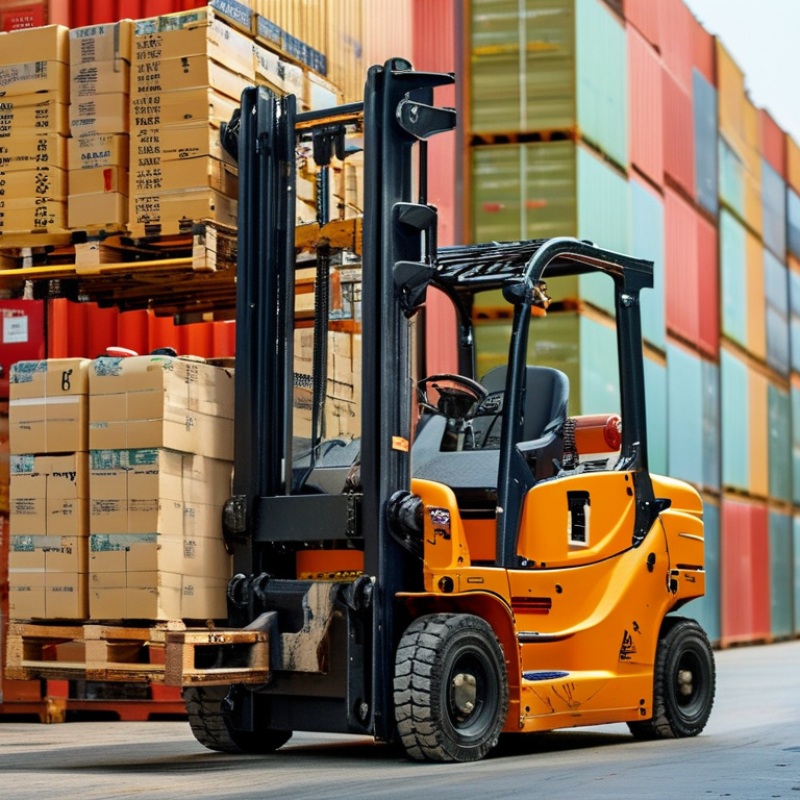
Global buyers should match pallet stacker design with the actual handling environment, not catalogue photographs. The World Industrial Truck Statistics report recorded more than two million industrial truck deliveries worldwide in 2023. That scale reflects diverse warehouse needs. Check load capacity, lift height, aisle width, and pallet dimensions before comparing prices. A walkie stacker may suit short travel distances. A rider model fits heavier daily movement. Narrow aisles demand compact dimensions.
Battery choice affects productivity and infrastructure. Lead-acid batteries cost less initially but require charging space and maintenance. Lithium-ion systems support opportunity charging during short breaks. Confirm local voltage, charging temperature, duty cycle, and replacement access. In humid ports, sealed components matter. In cold storage, battery performance can fall sharply. Ask for tested operating limits, not optimistic estimates.
Safety requirements must travel with the machine. OSHA reports approximately 35,000 serious forklift injuries annually in the United States, with about 85 fatalities. Pallet stackers require trained operators, clear visibility, emergency stops, stable steering, and reliable braking. Check whether the model aligns with ISO 3691-1 principles and local workplace rules. Review service response times, spare-parts availability, operator manuals, and training support. A low purchase price can become expensive downtime. I have seen buyers overlook floor quality and turning space. That mistake is easy to repeat. Measure the route with a loaded pallet, then test the stacker under realistic conditions.
| No. | Buying Tip | Pallet Stacker Type | Typical Rated Capacity | Typical Lift Range | Best-Fit Handling Environment | Key Global Handling Requirements | Pre-Purchase Checks |
|---|---|---|---|---|---|---|---|
| 1 | Match the stacker to the load and pallet specification. | Manual or semi-electric stacker | Approximately 500–1,500 kg | Approximately 1.0–3.0 m | Light-duty warehouses, retail back rooms and occasional stacking | Confirm pallet entry design, fork length, load center and floor condition. Standard pallet dimensions vary by region. | Check the maximum load at the intended lift height, not only the nominal capacity. |
| 2 | Select the power system according to daily operating intensity. | Fully electric walkie stacker | Approximately 1,000–2,000 kg | Approximately 1.6–4.5 m | Indoor warehouses with regular pallet movement and short travel distances | Review battery voltage, charging time, duty cycle, charger compatibility and ventilation requirements. | Estimate pallet moves per shift and ensure the battery can cover the workload with reserve capacity. |
| 3 | Choose the correct operator position for travel distance and visibility. | Walk-behind or platform stacker | Approximately 1,000–2,000 kg | Approximately 1.6–5.5 m | Short to medium travel routes; platform versions suit more frequent movement | Consider pedestrian separation, travel speed, visibility, emergency controls and operator training. | Measure the longest travel route and compare it with the operator's comfort and productivity needs. |
| 4 | Verify aisle width, turning space and rack clearance before ordering. | Straddle-leg or counterweight stacker | Approximately 1,000–1,500 kg | Approximately 1.6–4.0 m | Facilities with non-standard pallets, closed-bottom pallets or restricted fork entry | Account for outer-leg width, turning radius, mast height, overhead doors and rack beam clearance. | Take site measurements at the narrowest points, including corners, fire exits and loading areas. |
| 5 | Set the required lift height using the highest storage location. | High-lift electric stacker | Approximately 1,000–2,000 kg | Approximately 3.0–5.5 m | Racking applications requiring vertical storage and frequent replenishment | Check residual capacity at maximum height, mast collapse height, overhead obstruction and rack compatibility. | Include pallet height, rack beam height and a safe operating clearance in the calculation. |
| 6 | Adapt the machine to local climate, floor and operating conditions. | Electric stacker with application-specific configuration | Approximately 1,000–2,000 kg | Approximately 1.6–5.5 m | Cold stores, humid regions, dusty facilities or smooth indoor floors | Review operating temperature, floor slope, traction, wheel material, water protection and battery performance in cold conditions. | Request operating limits and confirm that the configuration suits the actual site environment. |
| 7 | Plan compliance, documentation, service and spare parts for the destination market. | Any suitable stacker type after compliance review | Based on the selected configuration | Based on the selected configuration | International procurement, multi-site operations and regulated workplaces | Check applicable machinery, electrical, battery, workplace-safety and import documentation requirements. | Confirm manuals, parts availability, warranty terms, technician support and charger requirements before shipment. |
Data note: Capacity and lift-height figures are typical market ranges for general pallet stackers. Actual performance depends on the machine configuration, load center, mast type, pallet dimensions, battery specification and local safety requirements.
When buying a pallet stacker, load capacity deserves more than a single number. Check the rated capacity at the required load center and lift height. A machine rated for 1,500 kilograms may handle less at maximum elevation. Measure twice. Confirm pallet dimensions, fork length, and load distribution before comparing models.
Lift height must match your racking system and building clearance. Measure the lowest doorway, ceiling beam, and rack opening. A taller mast is not always better. It may reduce stability or limit access in confined aisles. Ask for the collapsed mast height and the residual capacity at full lift. Small errors grow quickly in busy warehouses.
Operating performance shows how practical the machine will be each day. Review travel speed, lifting speed, turning radius, braking response, and battery runtime under realistic workloads. Test it on the actual floor, including ramps, joints, and uneven surfaces. Controls should feel predictable, even when operators wear gloves. Noise and vibration also matter during long shifts. In my experience, catalog figures can look excellent, but they rarely show cold batteries, heavy pallets, or repeated lifting cycles. That is where careful evaluation becomes important. Suppliers should provide clear test conditions, maintenance requirements, safety documentation, and usable technical support for the destination market.
Power choice affects more than operating cost. Electric stackers suit indoor aisles, where low noise and zero exhaust improve working conditions. Battery type, charging time, and replacement access also matter. Check local voltage requirements before ordering charging equipment.
A model with long runtime may still fail during two-shift work if charging takes too long. Noise matters. Test the machine on the actual floor surface, not only in a showroom.
Safety features deserve practical inspection. Look for controlled lowering, emergency stopping, visibility around the mast, and protection against unintended movement. Check rated capacity at the lifting height you need. Capacity often decreases as the load rises.
Review service records, inspection guidance, and spare-part availability with the supplier. Local workplace rules may require specific alarms, guards, or training procedures. Confirm these details in writing. Small omissions become expensive later.
Operator ergonomics can influence daily productivity and injury risk. The handle should fit different hand sizes and allow clear control without twisting the wrist. Test steering effort, platform vibration, reach distance, and visibility with a real pallet.
Short operators may struggle with poorly positioned controls. Tall operators may hit low handles or protective frames. Fit matters. A brief trial is more reliable than a specification sheet. I have seen buyers focus on lifting speed, then reconsider after noticing awkward reversing and limited aisle visibility. That lesson is easy to miss. Ask operators to perform repeated starts, stops, turns, and pallet placements before making the final decision.
For global buyers, supplier quality begins with evidence, not polished photographs. Ask for serialised test records, load charts, and factory inspection dates.
ISO’s 2022 Survey recorded 1,265,216 ISO 9001 certificates worldwide. That scale matters, but certification alone proves only a management system. It does not guarantee a stable mast or accurate capacity rating.
Request the certificate scope, issuing body, and current validity. Compare them with the proposed model.
Safety documents deserve equal scrutiny. The ILO’s 2023 report estimated 2.93 million work-related deaths each year.
A stacker supplier should provide applicable conformity documents, risk assessments, electrical test results, and operator guidance.
Check emergency-stop performance, brake response, battery protection, and visibility in a real aisle. Ask for an independent pre-shipment inspection when the order is large. Small details expose weak controls.
Warranty language often sounds generous and remains vague. Get coverage periods, exclusions, labor responsibility, response times, and transport arrangements in writing.
A two-year warranty is less useful if one controller takes eight weeks to arrive. Request a spare-parts list for wheels, forks, chargers, contactors, fuses, and lift components.
Confirm part numbers, stocking locations, and expected availability. Keep one honest reservation: forecasts can be wrong.
Require service records and a written escalation path, then test support before placing the main order.
Calculating Total Cost, Shipping Factors, and Long-Term Value
A pallet stacker’s purchase price is only the starting point. Check its rated capacity, lift height, aisle fit, and battery type against your actual warehouse tasks. A lower-priced unit may require costly modifications. Measure doorways, ramps, and pallet dimensions before requesting quotations. Small details matter.
Calculate the landed cost carefully. Include packaging, ocean or air freight, insurance, customs duties, taxes, port handling, inland delivery, and possible storage fees. Freight quotes can change quickly. Ask suppliers for shipment weight, crate dimensions, delivery terms, and required documents. Confirm local service availability, spare-part lead times, and technician training. Downtime is expensive. Battery charging equipment also affects installation costs and energy use.
Long-term value deserves equal attention. Compare warranty coverage, maintenance intervals, wheel durability, battery replacement costs, and expected operating hours. Ask for test records, safety instructions, and references from similar warehouses. A simple ownership spreadsheet can reveal the better choice. It may still be imperfect. Fuel prices, exchange rates, and workload changes can alter the result. Review the calculation every year, rather than trusting one purchase estimate. A reliable stacker should support safe handling, predictable maintenance, and steady productivity across its working life.