What is the shelf life of chocolate and how to tell if it’s expired?
Chocolate is a beloved treat enjoyed by many. However, many people overlook its shelf life. Chocolate expiration can influence its taste and texture. Understanding this aspect is essential for chocolate lovers.
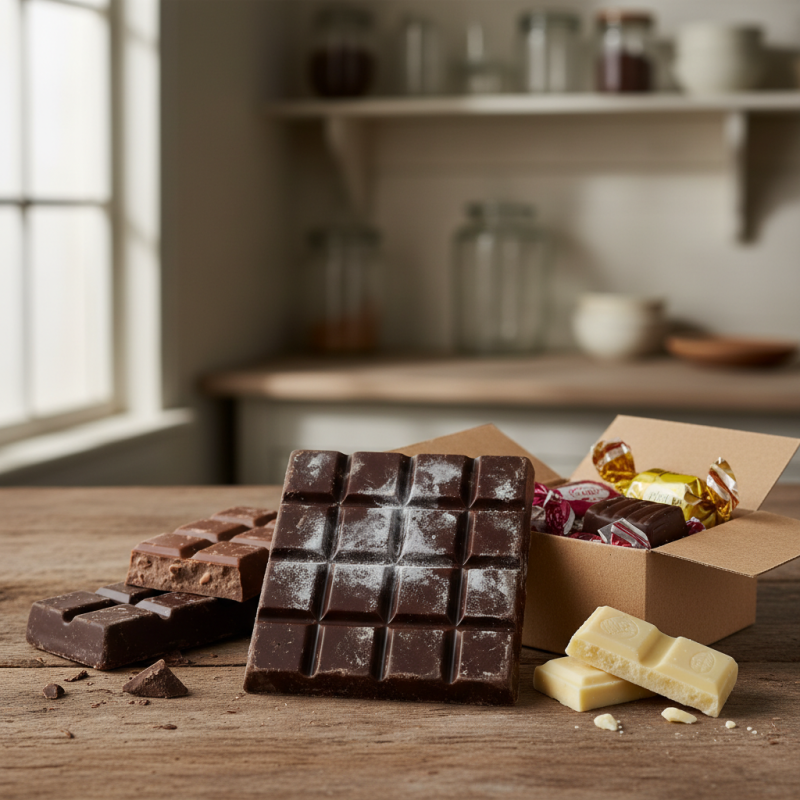
Generally, chocolate can last for a considerable time. Dark chocolate tends to have a longer shelf life than milk or white varieties. But how do you tell if your chocolate has gone bad? Look for changes in appearance and smell. If it appears dull or has a white powdery film, it’s time to reconsider. Old chocolate may not harm you physically, but its quality diminishes.
Taste is another indicator. If chocolate seems off or stale, it may not be worth eating. Trust your senses. When in doubt, throw it out. Observing these signs helps ensure you enjoy your chocolate at its best. Remember, chocolate expiration is not just a date; it reflects the joy of indulgence.
Shelf Life of Different Types of Chocolate
Different types of chocolate have varying shelf lives. Dark chocolate lasts the longest, often up to two years. Its high cocoa content and low moisture make it more stable. Milk chocolate typically lasts around one year. Its milk content can lead to spoilage if not stored properly. White chocolate, lacking cocoa solids, has a shorter shelf life of about six months to one year.
To tell if chocolate has expired, check for white streaks, known as bloom. This occurs when fat rises to the surface as temperatures change. While it may not be harmful, it can affect texture and flavor. Also, smell the chocolate. Any off or sour scent indicates it may be time to discard it. Tasting a small piece can help determine the quality. If it feels waxy or stale, it’s probably best to throw it away. Storage conditions matter too. Keep chocolate in a cool, dry place away from strong odors.
Factors Affecting Chocolate Shelf Life
Chocolate can be a delightful treat, but its shelf life varies. Several factors affect how long chocolate will stay fresh. One major factor is the type of chocolate. Dark chocolate typically has a longer shelf life, lasting up to two years. In contrast, milk and white chocolates usually expire in one year. According to industry reports, the moisture content also plays a crucial role. Higher moisture levels can lead to faster spoilage.
Storage conditions are equally important. Chocolate should be kept in a cool, dry place, ideally at temperatures between 60°F and 75°F. Heat can cause chocolate to bloom, affecting texture and taste. Direct sunlight can also lead to degradation. Experts recommend using opaque containers to block light exposure. Air can cause oxidation, which decreases quality.
Detection of expired chocolate can be tricky. Look for signs such as off odors, unusual textures, or bloomed surfaces. Bloom appears as white or gray streaks and is a sign of fat separation. It's not harmful but indicates quality loss. Taste changes may also reflect age, leading to unsatisfying experiences. If in doubt, it’s wise to err on the side of caution.
Chocolate Shelf Life and Factors Affecting Expiration
This chart illustrates the shelf life of different types of chocolate, measured in months. Factors such as cocoa content, ingredients, and storage conditions can significantly affect how long chocolate remains safe to consume.
Signs Indicating Expired Chocolate
Chocolate has a delightful allure, but it can spoil. Recognizing the signs of expired chocolate is essential for a safe and tasty experience. First, check for changes in appearance. If it has a white or grayish film, this could indicate fat bloom. This happens due to changes in temperature, but it doesn’t mean the chocolate is necessarily bad.
Another sign is an off smell. Fresh chocolate has that sweet aroma we crave. If it smells stale or sour, it’s best to avoid it. Taste a small piece cautiously. If it has a strange or bitter flavor, it’s time to discard it.
**Tips**: Store chocolate in a cool, dry place. Avoid humidity and heat, as they affect flavor. Always keep it sealed tightly to maintain freshness. Lastly, remember that while chocolate might not be dangerous after its expiration date, it can lose flavor and texture. Be mindful of these signs to enjoy your chocolate safely.
What is the shelf life of chocolate and how to tell if it’s expired? - Signs Indicating Expired Chocolate
| Type of Chocolate | Shelf Life (Unopened) | Shelf Life (Opened) | Signs of Expiration |
| Dark Chocolate | 2 years | 1 year | White coating, loss of aroma, texture changes |
| Milk Chocolate | 1 year | 6 months | Faded color, chalky texture, off smell |
| White Chocolate | 1 year | 6 months | Yellowing, crumbly texture, rancid odor |
| Chocolate with Nuts | 1 year | 6 months | Rancid nut smell, chalky chocolate, discoloration |
| Chocolate Bars with Fillings | 1 year | 3-6 months | Separation of fillings, off smell, odd texture |
How to Properly Store Chocolate for Longevity
Properly storing chocolate is crucial for maintaining its quality. Chocolate should be kept in a cool, dry place, away from direct sunlight. The ideal temperature is around 65°F to 70°F. Avoid storing it in the refrigerator, as this can cause condensation. Moisture negatively impacts texture and flavor.
Tips: Use an airtight container. This prevents unwanted odors and moisture from affecting your chocolate. If you must refrigerate, wrap it tightly. Remember, chocolate is sensitive to strong smells.
Keep chocolate away from heat sources like ovens or sunny windowsills. Heat can cause the cocoa butter to bloom, altering its appearance. If you notice a white film, it’s just cosmetic; the chocolate is still safe. However, reconsider your storage habits.
Tips: Check the packaging for signs of tampering or damage. If it's unwrapped, inspect for odd odors or unusual textures. If it smells off, it's often best to remove it from your pantry. Proper care makes all the difference.
What to Do with Expired Chocolate?
Expired chocolate may not be harmful, but its taste and texture decline. When chocolate ages beyond its best-by date, it can develop a dull appearance or white, powdery spots called bloom. This occurs when fat or sugar rises to the surface. Bloom does not signify spoilage. The chocolate is still safe to consume, but it may not taste as good.
If you find yourself with expired chocolate, consider repurposing it. Melt it down to create homemade hot chocolate or use it in baking. It's perfect for brownies, cookies, or even drizzling over fruit. Many experts suggest combining it with fresh ingredients to mask any texture changes. Reports indicate that nearly 45% of chocolate lovers use expired chocolate in recipes, highlighting its versatility.
Another option is to use it as a cooking ingredient, especially in savory dishes. Chocolate can enhance flavors in chili or mole sauce. However, be conscious of the chocolate's quality. While expired chocolate can be used, it might not bring the desired flavor impact. Always taste it first before adding to your dish. Adjustments may be necessary, as expired chocolate can be unpredictable.
 Skip to content