How to Source Stainless Steel Chains at the 2026 Canton Fair?
The 2026 Canton Fair presents an exciting opportunity for sourcing Stainless steel chains. From April 15 to May 5, the fair will feature various sectors, including advanced manufacturing and home decor. This event is the perfect place to connect with suppliers who meet specific certifications, such as ISO and CE.
In addition, the introduction of AI-driven search and navigation enhances the sourcing experience. Buyers can efficiently locate vendors amidst a sprawling 1.55 million square meters of exhibition space. This technology streamlines the process, but it requires careful use. Relying solely on AI may overlook unique suppliers that do not fit typical criteria.
Navigating the Canton Fair can be overwhelming. The vastness of the event can cause buyers to miss out on quality options for stainless steel chains. It's essential to balance technology with personal exploration. Engaging with vendors face-to-face can reveal insights that digital tools might miss. The incorporation of both approaches can maximize sourcing effectiveness at this landmark event.
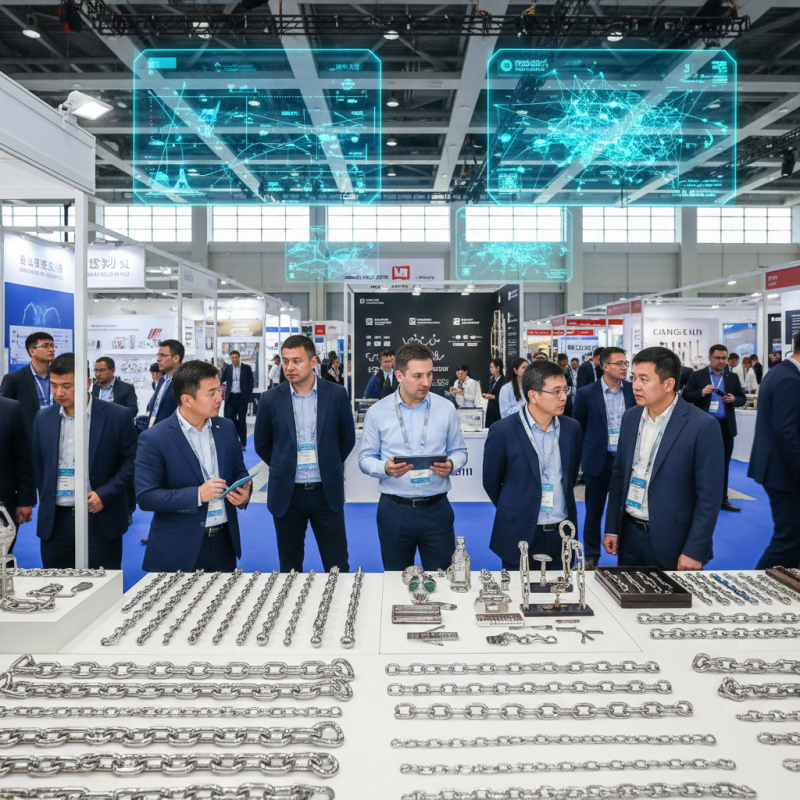
Understanding the Significance of the Canton Fair for Stainless Steel Chains
The Canton Fair is a crucial platform for sourcing materials like stainless steel chains. This biannual event attracts thousands of manufacturers and suppliers from around the globe. In 2022 alone, over 25,000 exhibitors participated, showcasing a wide variety of products, including metals and chains. The fair provides direct access to manufacturers, allowing buyers to negotiate and establish relationships.
Stainless steel chains have seen a rising demand in various sectors. According to a recent industry report, the market for stainless steel chains is expected to grow by 5.2% annually between 2023 and 2028. This growth is fueled by their extensive use in automotive, construction, and marine applications. Buyers should take note of the evolving specifications and standards in this sector, as not all chains are compliant with recent regulatory changes.
Visiting the Canton Fair can also bring challenges. Not every supplier meets quality standards. Furthermore, language barriers can complicate negotiations. Thorough research is critical before attending. Potential buyers should prepare questions and have clear criteria for quality assessment. Engage with multiple suppliers to gauge reliability and pricing. This approach helps in making informed decisions.
Market Trends in Stainless Steel Chains: Insights for 2026
As the 2026 Canton Fair approaches, the stainless steel chain market is evolving. Industry experts predict several trends that could influence sourcing decisions. For instance, sustainability in production is gaining traction. Buyers should look for suppliers committed to eco-friendly practices. This could mean reduced carbon footprints and responsible sourcing of materials.
Another noteworthy trend is customization. Many consumers are seeking unique designs tailored to their specific needs. This demand opens opportunities for manufacturers to innovate. This trend may create challenges for suppliers who lack flexibility. They may struggle to meet buyer expectations for both quality and design.
Pricing strategies are also fluctuating due to global supply chain dynamics. Buyers may face increasing costs if they do not prepare effectively. Negotiation skills will be crucial. Understanding market conditions is essential for making informed purchasing decisions. Engaging with suppliers who offer transparency in pricing can mitigate some risks. These insights can guide attendees to make smarter choices at the fair.
Key Considerations When Selecting Suppliers at the Canton Fair
When sourcing stainless steel chains at the 2026 Canton Fair, selecting the right suppliers is crucial. According to a recent industry report, stainless steel chains have become increasingly popular due to their durability and corrosion resistance. This trend offers a strong opportunity for buyers but emphasizes the need for careful assessment of suppliers.
Consider the supplier's experience in the stainless steel market. It can be beneficial to choose those with a proven track record. Look for vendors that provide references and have been in the industry for several years. Their expertise often translates into better product quality and reliability. Remember, a supplier's presence at past Canton Fairs can indicate their credibility.
Tip: Always verify certifications. Check if the supplier complies with relevant quality standards such as ISO 9001. It shows their commitment to quality and safety. Additionally, perform a preliminary evaluation of product samples. This step helps you assess specific chain specifications, like load capacities and finish.
Another factor is communication. A supplier’s responsiveness can be telling of future interactions. If they are slow to answer, it might indicate future issues.
Tip: Prepare specific questions ahead of the fair. Outline your requirements clearly. This approach saves time and ensures successful negotiations.
Evaluating Quality Standards for Stainless Steel Chains
When sourcing stainless steel chains, quality standards are crucial. Many buyers focus solely on price, neglecting quality assessments. An industry report shows that about 30% of low-cost chains fail to meet safety standards. This figure is alarming. A chain that cannot withstand expected loads can lead to accidents and financial losses.
Understanding the composition of stainless steel is vital. Various grades exist, with 304 and 316 being popular. Grade 316 is praised for its corrosion resistance, making it suitable for marine environments. Reports indicate that chains made from 316 stainless steel resist rusting better, offering a longer lifespan. However, they might come at a higher cost. This trade-off needs reflection before decisions are made.
Another consideration is the manufacturing process. Chains are often produced using different methods, including welding and forging. Each method has its strengths and weaknesses. Forged chains are generally stronger but can be pricier. Evaluating production methods is essential for ensuring quality. Inconsistent quality control leads to variability in strength, affecting reliability. Trusting suppliers who adhere to strict quality checks will reduce risks.
Negotiation Strategies for Sourcing Stainless Steel Chains Effectively
Negotiating for stainless steel chains can be challenging. Having clear goals helps you focus. Know your budget and what quality you need. Research different suppliers ahead of time. Understand their strengths and weaknesses. This will give you an edge during negotiations.
During the Canton Fair, observe how other buyers interact with suppliers. Notice the language and body language used. Engage with suppliers early, asking questions that reveal their flexibility. Try small talk to build rapport. This can lead to better deals later. Be ready to walk away if terms aren’t favorable. It shows seriousness.
Reflect on your past experiences. Not every deal will go smoothly. Learn from mistakes. Did you overlook something? Did you settle for less than you wanted? These reflections can sharpen your strategy for future negotiations. Stay open to learning, and adapt your approach as needed.
 Skip to content