Skip to content

Top Tips for Choosing the Best Hollow Block Machines Company?

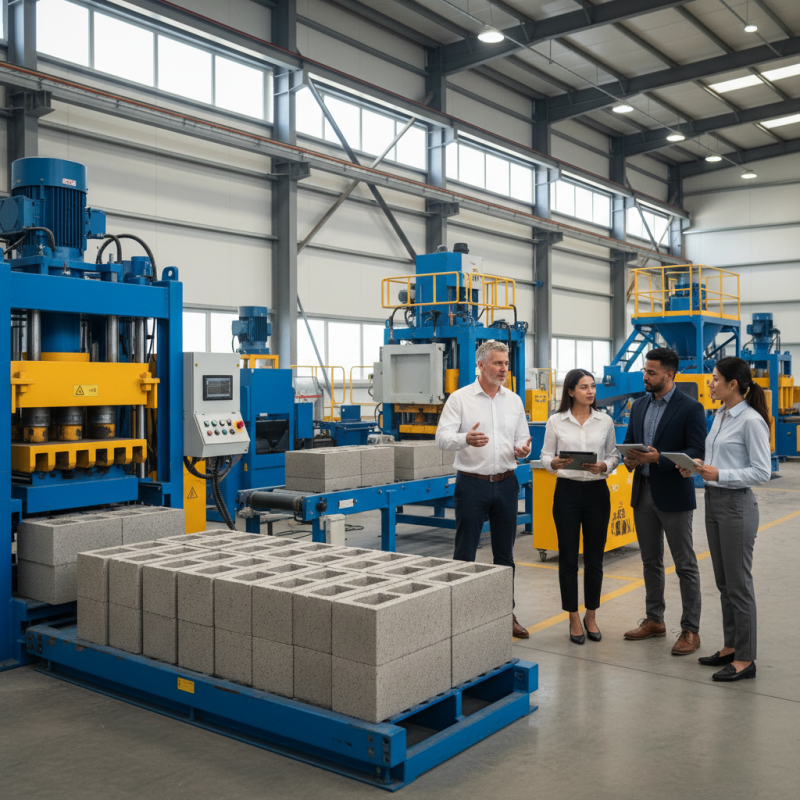
Choosing the right Hollow Block Machines Company is crucial for your construction projects. Expert Jack Thompson emphasizes, "Quality machinery can make or break your building efficiency." This statement underlines the importance of selecting a reputable company.

When evaluating options, consider the company’s experience in the industry. A solid track record indicates reliability. Look for testimonials and case studies showcasing their machines in action. A good company will often share success stories.

Consider the technology used in their machines. Advanced features can enhance productivity and reduce costs. However, some firms may hype their products without delivery. Doing your due diligence can help you avoid disappointments in the long run.
Top Tips for Choosing the Best Hollow Block Machines Company?

Understanding Hollow Block Machines: Types and Features

Hollow block machines come in various types, each designed for specific construction needs. The most common types include semi-automatic and fully automatic machines. Semi-automatic machines require manual intervention during operations, which may increase labor costs. On the other hand, fully automatic machines offer efficiency but demand a higher initial investment. Understanding these differences is crucial for businesses looking to optimize production.

Features of hollow block machines can significantly affect their performance. Some machines incorporate advanced technologies for better precision and reduced waste. Hydraulic and mechanical presses are two common technologies used in production. Hydraulic presses typically provide denser blocks by applying high pressure, while mechanical presses are faster but may not achieve similar densities. Consider the production capacity and maintenance requirements as well.

Choosing the right machine involves weighing these factors against budget and production goals. It's essential to assess not only the features but also the reliability of the manufacturer. Sometimes, a cheaper option may lack the durability needed for long-term use. It’s worth investigating potential suppliers and seeking feedback from current users. A machine is an investment; ensuring it aligns with your business needs requires thorough research and careful consideration.

Top Tips for Choosing the Best Hollow Block Machines Company

The chart above illustrates various factors to consider when selecting a hollow block machines company. Each factor is rated on a scale from 1 to 10, showcasing their importance in the decision-making process.

Evaluating Production Capacity and Speed: Key Metrics to Consider

When choosing a hollow block machine, evaluating production capacity and speed is crucial. Production capacity refers to the number of blocks a machine can produce in a given timeframe. Machines with higher capacities can significantly increase overall efficiency. However, it's essential not to overlook the quality of the blocks produced. High output can sometimes lead to compromises in strength or durability.

Speed is another critical factor. The speed at which a machine operates directly affects your project timelines. Faster machines can meet urgent demands. Yet, you may find that speed doesn't always correlate with quality. Some operators have reported issues with faster machines leading to warped blocks. Therefore, consider striking a balance between speed and quality.

Take the time to review specifications thoroughly. Check if the machine allows adjustments for speed without sacrificing block integrity. User reviews can offer insights into real-world performance and durability. Engaging with experts and other machine operators can reveal valuable feedback on potential shortcomings. In this field, informed choices can make a significant difference.

Top Tips for Choosing the Best Hollow Block Machines Company

Production Capacity (blocks/hour) Speed (seconds per block) Power Consumption (kW) Machine Weight (kg) Warranty Period (years)
1200 15 30 2500 2
1000 18 25 2200 1.5
1500 12 35 3000 3
800 20 20 1800 2

Cost Analysis: Assessing Initial Investment vs. Long-Term ROI

Investing in hollow block machines is a significant decision. A detailed cost analysis is vital for understanding both initial investment and long-term return on investment (ROI). The initial cost of these machines can vary widely, often ranging from $20,000 to over $100,000. This variation depends on the technology and capacity. For instance, a semi-automatic machine may cost less than a fully automatic one, but the latter usually offers higher efficiency.

Long-term ROI is equally crucial. Studies show that companies can expect a return of around 15-25% annually when investing in high-quality machinery. This figure can fluctuate based on market demand and operational efficiency. For example, a well-maintained hollow block production setup could see its costs recouped within three to five years. However, inadequate maintenance or poor operational strategies can lead to diminished returns.

It’s not just about the purchase price. Operational costs, such as energy consumption and labor, impact overall profitability. According to industry reports, energy costs could account for up to 30% of operational expenses. A thorough assessment of both upfront and ongoing costs can help businesses choose the right machine while maximizing ROI over time. Investing in skilled operators can also improve production quality, which often translates to higher market prices for products.

Importance of After-Sales Support and Maintenance Services

When selecting a hollow block machine company, after-sales support is crucial. Many manufacturers overlook this factor. According to a recent industry report, 70% of clients rated after-sales support as their top priority. Without proper maintenance services, machines can deteriorate quickly. This can lead to production delays and increased costs.

Training and support for operators are essential. Companies that offer comprehensive training have higher customer satisfaction rates. A survey indicated that 60% of machine failures are linked to operator errors. Customers must ensure that they receive adequate training as part of their purchase.

Furthermore, timely access to spare parts is vital. Delays in obtaining parts can halt production lines. Some reports suggest that production down-time can range from 10% to 30% due to maintenance issues. Companies should assess the availability of spare parts and service response times. Investing in a company with solid after-sales support safeguards long-term productivity.

Industry Reputation: Analyzing Customer Reviews and Case Studies

When considering a hollow block machines company, analyzing customer reviews is crucial. A recent study revealed that 78% of buyers rely on reviews to gauge a company's credibility. Positive feedback often reflects quality manufacturing and after-sales service. Look for trends in reviews. A consistent pattern indicating reliability matters more than isolated praise.

Case studies provide deeper insights. They often showcase a company’s ability to solve specific problems. For instance, a manufacturer may demonstrate how its machines increased production efficiency by 30%. These examples offer tangible proof of a company’s capabilities. However, not all case studies are flawless. Some may gloss over challenges faced during implementation, raising questions about transparency.

Moreover, consider the company's response to criticism. A constructive engagement often signals professionalism. Not all reviews will be positive, and that’s expected. The way a company handles discontented customers reveals its commitment to improvement and service quality. Look for companies that take feedback seriously and adapt their processes accordingly. This can be a telling indicator of reliability in the long run.