Top Packaging Line Tips for Efficient Production Success?
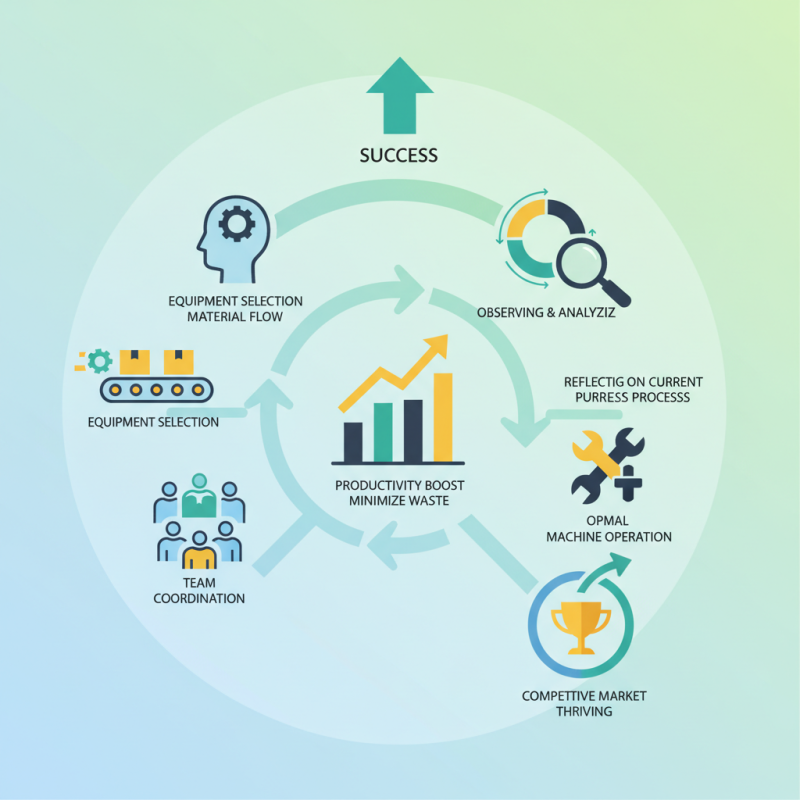
In today's fast-paced manufacturing environment, the efficiency of your Packaging Line is crucial for success. A well-organized Packaging Line can significantly boost productivity and minimize waste. However, achieving this is not always easy. Many companies face challenges that require a strategic approach.
Effective Packaging Line management involves understanding various components. It requires expertise in logistics, equipment selection, and team coordination. Without a reliable strategy, delays and errors can occur, impacting overall output. Observing and analyzing the flow of materials can reveal hidden inefficiencies.
Reflecting on your current processes is essential. Are your machines operating optimally? Do you have the right workforce in place? Small adjustments can lead to major improvements. By focusing on these areas, your Packaging Line can achieve the efficiency needed to thrive in a competitive market.
Understanding the Importance of Packaging Line Efficiency
In the world of manufacturing, packaging line efficiency is critical. It directly impacts production rates and overall success. Increased efficiency means reduced operational costs. This, in turn, can lead to higher profit margins. Many businesses overlook this aspect, focusing instead on other production elements. However, packaging is often the last step before products hit the shelves.
Understanding bottlenecks is crucial for improvement. A slow packaging line can delay orders and increase backlogs. Regular assessments can help identify these slow points. Some companies may find outdated equipment is the issue. Investing in modern machinery can solve many problems. But it’s also essential to train staff properly. Even experienced workers may need updates on new technologies.
Communication within teams enhances efficiency. Regular meetings to discuss challenges can be beneficial. Not every issue presents an easy fix. Sometimes, solutions require trial and error. Embracing a culture of continuous improvement is key. Small adjustments can lead to significant gains. Rethinking packaging processes is not just a one-time task. It needs consistent attention and adaptation to changing demands.
Key Elements of an Effective Packaging Line Setup
An efficient packaging line is crucial for production success. Key elements in the setup can noticeably impact performance. According to a 2021 report by PMMI, over 70% of manufacturers reported inefficiencies in their packaging lines due to inadequate layouts and poor equipment selection. A streamlined design reduces product handling and minimizes delays.
Proper equipment choice is foundational. Machinery must align with product types and packaging goals. For instance, using automated systems can enhance speed. A study by the Packaging Machinery Manufacturers Institute found that automation increases efficiency by up to 30%. Still, not every facility is ready for full automation. A gradual integration of technology might be more realistic for some.
Regular maintenance is often overlooked. Neglected machinery can lead to breakdowns and production halts. A survey indicated that 60% of unplanned downtime is due to maintenance issues. Addressing these factors helps maintain a reliable operation. It’s essential to regularly assess performance metrics to identify and rectify weaknesses in the packaging process, ensuring long-term success.
Top Packaging Line Tips for Efficient Production Success
| Key Element | Description | Impact on Efficiency |
| Layout Optimization | Arranging equipment and stations to minimize movement and maximize workflow. | Reduces downtime and enhances throughput by streamlining processes. |
| Regular Maintenance | Scheduled checks and repairs for machinery to prevent breakdowns. | Ensures continuous production flow and decreases unexpected stops. |
| Staff Training | Training employees in equipment handling and safety procedures. | Improves operational efficiency and reduces accidents. |
| Quality Control | Implementing inspection processes to ensure product standards. | Maintains product integrity and minimizes waste due to defects. |
| Data Monitoring | Using technology to track production metrics in real-time. | Facilitates informed decision-making to enhance line efficiency. |
Implementing Automation for Enhanced Production Speed
Automation plays a crucial role in enhancing production speed within packaging lines. By implementing advanced technologies, manufacturers can reduce the time it takes to package products. Robotics and conveyor systems streamline workflows. For instance, automated packing machines can work tirelessly, reducing human error and increasing efficiency.
However, it's important to recognize that automation is not a one-size-fits-all solution. Some facilities face integration challenges. Training staff on new systems is vital to avoid disruptions. One common pitfall is over-relying on machines, which can lead to a decrease in quality control. Regular checks and adjustments are essential to maintain standards.
Choosing the right automation tools is critical for success. Not all equipment is compatible with existing lines. This can result in costly delays and modifications. Investing time in research and testing can yield significant long-term benefits. Companies must be willing to adapt and make changes based on feedback and performance data. Embracing automation requires continuous evaluation and thoughtful implementation.
Regular Maintenance Practices to Avoid Downtime
Maintaining your packaging line is essential for smooth operations. Regular maintenance helps prevent unexpected downtimes. You want your equipment running at peak efficiency. Neglecting maintenance can lead to costly repairs and production delays.
Consider implementing a routine inspection schedule. Make sure to check all parts, including filters and belts. Replace worn parts before they fail. This proactive approach minimizes the risk of mistakes. It's important to keep records of maintenance activities. Tracking these details can highlight patterns leading to failures.
Sometimes, employees overlook minor issues, thinking they will resolve themselves. This can result in a more significant problem later on. Encourage staff to report any irregularities immediately. Foster an environment where open communication about equipment issues is valued. Evaluate your processes regularly to identify areas for improvement. Every little insight can enhance overall production efficiency.
Training Staff for Optimal Performance on the Packaging Line
Training staff on the packaging line is critical for optimal production performance. A well-trained team improves accuracy, speed, and safety. The packaging industry reports that effective training can increase efficiency by 20-30%. Companies often overlook the importance of hands-on training. This approach can lead to inconsistencies in the workflow.
Regular workshops and simulations can bridge gaps in skills. Research shows that continuous training reduces error rates. Workers who receive ongoing education enhance their problem-solving abilities. Simple changes can lead to significant improvements. For example, timely feedback during shifts helps employees feel engaged and valued.
Moreover, investing in staff development builds a solid foundation for success. On-the-job training fosters a sense of ownership among employees. However, not every program captures everyone's interest. Some workers may find certain training sessions dull or irrelevant. Finding the right balance is essential for effectiveness. Regular assessment of training methods can help identify areas for improvement. Adjusting training to meet diverse learning styles can lead to better results.
 Skip to content