China’s reach truck market deserves careful attention from buyers, warehouse planners, and distribution partners. China Construction Machinery Industry Association data shows strong industrial vehicle activity, reflecting sustained demand from manufacturing, logistics, and e-commerce warehouses. However, national forklift shipment figures do not always separate Reach Truck models clearly. That limitation matters.
Global research also supports this market direction. MHI’s 2024 Annual Industry Report identifies labor shortages, warehouse efficiency, and technology investment as major material-handling priorities. Interact Analysis reports continued growth in warehouse automation, driven by higher throughput expectations and tighter operating space. Reach trucks fit this environment because their narrow turning radius and elevated lift heights support dense pallet storage.
This guide examines ten notable Chinese manufacturers and suppliers. It considers product range, lifting capacity, battery systems, service coverage, export experience, and documented quality practices. A warehouse aisle offers practical evidence: mast stability, visibility, braking response, and battery access often matter more than a glossy specification sheet.
Rankings vary by region.
Some suppliers excel domestically but have limited overseas support. Others offer stronger dealer networks but fewer customization options. Buyers should verify certifications, spare-parts availability, operator training, and warranty terms before selecting equipment. ISO 3691-1 and relevant regional requirements provide useful safety references, but compliance claims still require documentation.
The list is not a permanent verdict. Market shares change, product quality differs between models, and supplier performance can depend on local support. That is why this overview combines industry reports, manufacturer information, and practical purchasing considerations. It aims to help readers compare China’s leading Reach Truck suppliers with greater confidence and healthier skepticism.
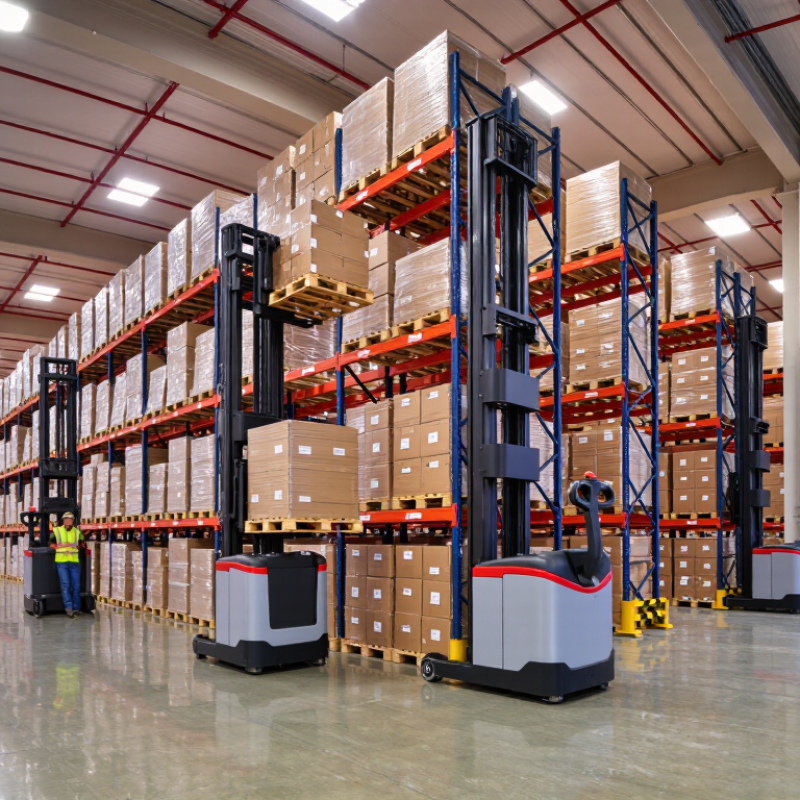
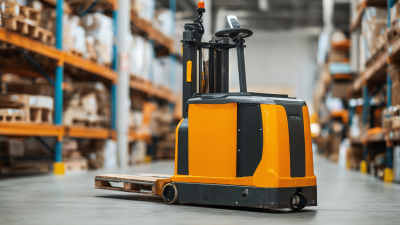
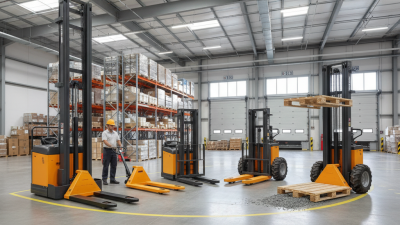
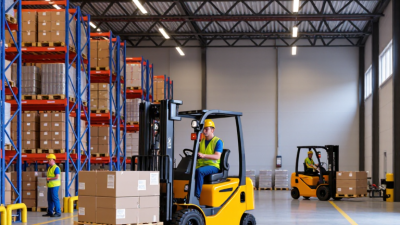
A reach truck is a narrow-aisle forklift designed to move pallets vertically and horizontally. Its mast can extend toward the rack, allowing operators to store goods in tight warehouse spaces. Unlike a counterbalance forklift, it needs less turning room and often provides better visibility at elevated levels.
China matters because its manufacturing network covers motors, hydraulic systems, batteries, controllers, and steel components. This connected supply chain can shorten production cycles and support flexible specifications. Buyers searching for China’s top reach truck manufacturers and suppliers should inspect more than catalog images. Load capacity, lift height, aisle width, battery endurance, and cold-storage performance must match the real workplace.
A useful evaluation includes factory records, sample testing, operator feedback, and after-sales response times. Ask for stability data under uneven loads. Check welds, mast movement, braking, and emergency controls in person when possible. A low quotation may hide weaker batteries or limited parts support. That matters later. China’s scale offers strong value, but scale alone does not prove reliability. Some specifications may also look impressive while practical handling feels slow. This is where careful trials and honest feedback become essential. A reach truck should fit the warehouse, not merely win a comparison table.
When evaluating Chinese reach truck manufacturers and suppliers, begin with operating evidence, not polished catalogs. Request load charts, mast specifications, turning radius, battery options, and rated capacity at different lift heights. A reach truck lifting 1,600 kilograms at six meters may handle far less safely at maximum extension. Ask for videos of comparable warehouse tasks. Better still, arrange a supervised field test.
Visit the production site when possible. Check welding quality, hydraulic routing, battery compartments, and spare-parts storage. A clean showroom proves little. Review quality-control records, operator manuals, inspection reports, and export experience for your target market. Confirm whether critical components are sourced consistently. Small changes in controllers or batteries can affect braking, runtime, and maintenance.
Supplier support deserves equal attention. Ask for written warranty terms, response times, training, diagnostic tools, and parts availability. Contact recent customers, including one with similar aisle width and floor conditions. An attractive unit price can hide expensive downtime. Calculate energy use, tire replacement, service labor, and shipping costs over several years. Some evaluations remain imperfect. A short demonstration may not reveal cold-weather issues, uneven floors, or declining battery performance. Keep testing, and document every answer before signing a purchase agreement.
China’s top ten reach truck manufacturers and suppliers serve busy warehouses, cold stores, and distribution centers. Their products commonly offer 1.4 to 2.5 tonnes of capacity. Lift heights often reach 8 to 12 meters. The World Industrial Truck Statistics 2023 report recorded more than two million industrial truck deliveries worldwide. China remains a major production and export base. However, rankings should consider verified performance, not factory size alone.
A reliable supplier should provide battery data, mast stability tests, spare-parts plans, and operator training. Lithium-ion models can reduce charging interruptions, but battery life depends on temperature and duty cycles. The International Energy Agency reported strong global growth in battery deployment during 2023, supporting wider electrification across industrial equipment. Still, not every electric reach truck suits intensive multi-shift work. A low purchase price may hide expensive service delays. This point is often overlooked.
Tips: Ask for a complete quotation. It should include batteries, chargers, warranty terms, delivery time, and maintenance response. Request references from warehouses with similar aisle widths. Check turning radius on the actual floor. Measure noise near occupied work areas. Test residual capacity at maximum lift height. Some supplier claims remain difficult to compare because testing conditions differ. Buyers should record these differences before selecting a manufacturer.
China’s leading reach truck suppliers serve warehouses, cold stores, factories, and retail distribution centers. Their portfolios usually include stand-on reach trucks, double-deep models, narrow-aisle units, and electric pallet equipment. A practical comparison should examine rated capacity, lift height, mast visibility, turning radius, and battery access. These details affect daily throughput more than catalogue claims. In site visits, operators often value smooth controls and clear sightlines first. That preference is easy to overlook.
Modern reach trucks commonly use AC drive motors, regenerative braking, and programmable travel speeds. Lithium iron phosphate batteries can support quick charging and lower routine maintenance. Lead-acid systems remain useful where battery rooms already exist. Some suppliers provide CAN-bus diagnostics, fleet dashboards, and operator access control. These tools can reveal impact events, charging habits, and service intervals. Actual runtime still depends on load weight, aisle conditions, and shift length. Technology helps, but it does not repair poor warehouse planning.
Cold-storage models need sealed electrical parts, stable heating systems, and corrosion-resistant finishes. Narrow-aisle trucks require accurate steering and dependable mast control near tall racks. For factories, compact turning and load stability often matter most. A serious supplier should provide load charts, maintenance training, spare-parts support, and documented safety testing. Warranty terms also need careful reading. A ten-name ranking can mislead when local service is weak. Even experienced buyers sometimes underestimate floor unevenness, operator habits, or seasonal battery performance. These practical gaps deserve field testing before purchase.
Choosing the right Chinese reach truck supplier requires more than comparing prices. Fortune Business Insights valued the global forklift market at about USD 73.4 billion in 2023, with steady growth expected through 2032. This expansion increases supplier choices, but also makes verification harder.
Start with the truck’s working conditions. Record aisle width, lift height, pallet weight, floor quality, and daily operating hours. Ask for residual-capacity charts, not only maximum lifting figures. A truck rated for 2,000 kilograms may lift far less at seven meters. Test the mast, steering response, braking, and visibility with a loaded pallet. The warehouse floor should be part of the test.
Check technical reliability through measurable evidence. Request production records, battery cycle data, controller specifications, and inspection reports. ISO 3691-1 provides important safety guidance for industrial trucks, but certificates alone do not prove consistent assembly quality. A factory audit should examine welding, wiring protection, spare-parts storage, and final testing. Small details matter.
After-sales support deserves equal attention. Ask for response times, technician coverage, warranty exclusions, and a clear parts list. Interact Analysis reports that automation and electric equipment are reshaping material-handling demand, so software and battery support may affect long-term costs. A low quotation can look clever. It may not remain cheap after two years of downtime. I would also request references from warehouses using similar lift heights and temperatures. No checklist is perfect. A weak assumption can still survive a polished factory tour.