Top 10 Articulating Boom Lift Options for Global Buyers?
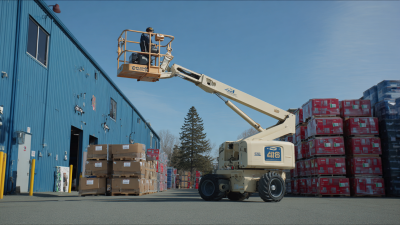
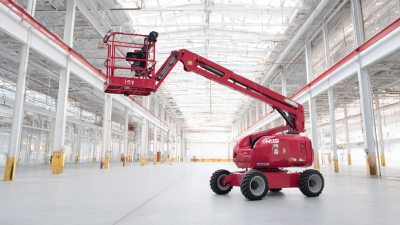
Articulating Boom Lifts are essential in many industries, providing unique advantages for various tasks. According to a recent industry report by Market Research Future, the global boom lift market is expected to reach $10 billion by 2025. This growth is driven by increased demand for advanced machinery in construction and maintenance sectors. Articulating Boom Lifts offer flexibility and versatility, allowing operators to navigate complex job sites with ease.
Yet, selecting the right articulating boom lift can be challenging. Buyers must consider factors like lift height, capacity, and reach. Misjudging these aspects could result in inefficiencies. Additionally, not all models are built equally; some may fail to meet safety standards. It’s crucial to rely on reputable brands known for quality and reliability, especially given the high stakes of aerial work.
In this article, we explore the top 10 articulating boom lift options available today. Each option has been evaluated based on performance, user feedback, and industry ratings. This overview aims to assist buyers in making informed decisions while navigating the complexities of the market.
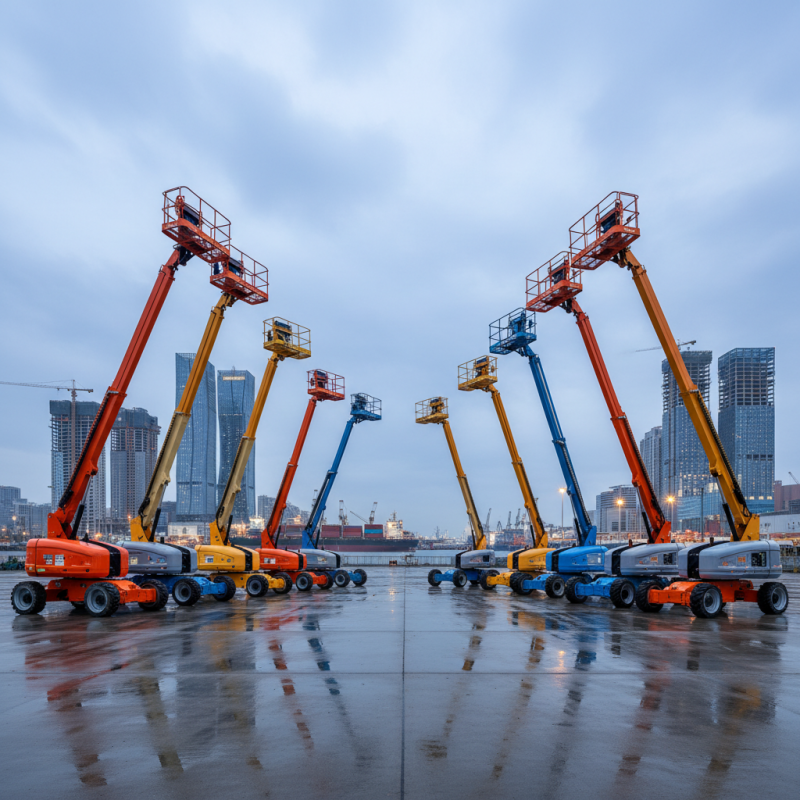
Top 10 Articulating Boom Lifts: An Overview of Global Options
Articulating boom lifts are essential tools in various industries. They provide flexibility and reach for tasks at height. The global market for these lifts is projected to grow at a CAGR of 5.8% from 2021 to 2026, indicating strong demand. Their versatility is crucial, especially in construction, maintenance, and warehousing sectors.
Many buyers consider lift height, weight capacity, and outreach when making choices. A report from a leading industry analyst highlights that over 60% of users prioritize maximum platform height in their selection process. Operators also seek equipment with enhanced safety features. This reflects an ongoing concern for worker safety, particularly in high-risk environments.
However, selecting the right model can be challenging. Some operators report difficulties with maintenance requirements. They find that certain articulating lifts require more frequent service checks. This can lead to downtime and affect project timelines. Understanding each option's specifications can mitigate these concerns and ensure optimal performance. Buyers should evaluate their needs carefully, considering both capabilities and potential drawbacks.
Top 10 Articulating Boom Lift Options for Global Buyers
This chart displays the load capacity (in pounds) and working height (in feet) of the top 10 articulating boom lifts available globally. It illustrates the comparison of these essential specifications that buyers should consider when selecting a boom lift.
Key Features to Consider When Choosing an Articulating Boom Lift
Choosing the right articulating boom lift involves several key features. Firstly, consider the working height of the lift. This is crucial for determining if it can reach the required elevation for various tasks. The lift's outreach is equally important. A greater outreach allows for more flexibility in accessing hard-to-reach areas.
Another significant factor is the platform capacity. Ensure the lift can support the weight of workers and their tools. Stability is essential too. Higher lifts must have robust base designs to prevent tipping. It's vital to examine the terrain where the lift will operate. Some models are better suited for rough surfaces, while others perform well on flat ground.
The energy source of the boom lift needs attention. Electric models are quieter and environmentally friendly. However, gasoline-powered units often have more power for heavy-duty jobs. Reflecting on these elements can improve your decision-making process. Often, buyers overlook specific needs, which could lead to future challenges. Always analyze your requirements thoroughly for optimal results.
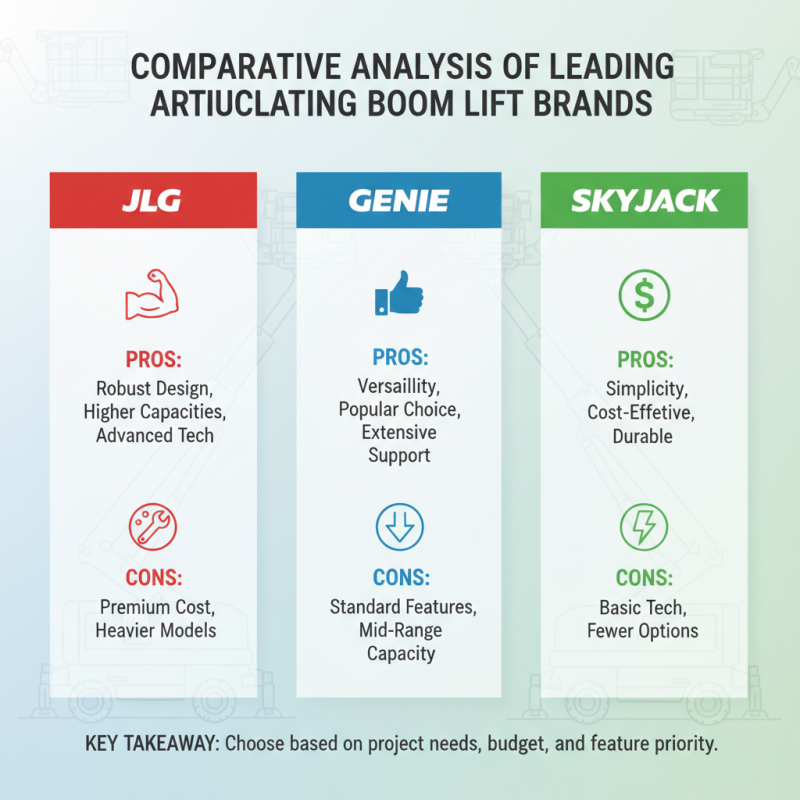
Comparative Analysis of the Leading Articulating Boom Lift Brands
Articulating boom lifts are versatile machines used in various industries. They provide significant reach and flexibility for tasks at height. Understanding which brands offer the best options is crucial for buyers. The comparative analysis of leading brands reveals the strengths and weaknesses that matter most.
Several brands excel in safety features and ease of operation. However, some may lag in maintenance support and service availability. It's essential to evaluate how these brands perform in real-world conditions. Users often report varying satisfaction levels. Factors like reliability, fuel efficiency, and user-friendliness can sway decisions.
Tips for selecting the right boom lift: Always inspect the machine’s safety ratings. Review feedback from other users to gauge performance. Consider the terrain where the lift will be used. Different environments demand different specifications. Be cautious about assumptions based on marketing claims. Each brand has its unique strengths, so weigh them carefully.
Remember, not every choice may be perfect for your needs. Reflecting on past purchases can guide future decisions. Understanding your requirements while evaluating options is key to finding the best articulating boom lift for your operational needs.
Market Trends and Innovations in Articulating Boom Lifts
The market for articulating boom lifts is evolving rapidly. Key trends show an increasing demand for versatile machines. Buyers are looking for equipment that can navigate tight spaces. Innovations in battery technology are making these lifts more efficient. Electric models are becoming a preferred option for environmentally conscious users.
Safety features are also at the forefront of design improvements. Enhanced control systems are making operation smoother. Automatic stabilization features help operators work with confidence. However, some older models may not include these advancements. This gap creates a challenge for buyers needing updated safety technology.
User feedback plays a vital role in shaping future models. Operators often share insights about usability and performance. These reflections can influence the next generation of boom lifts. Companies must listen to their customers to remain competitive. It's not merely about machinery; it's about understanding the end user's needs.
Safety Standards and Regulations for Articulating Boom Lift Usage
When operating articulating boom lifts, adhering to safety standards is crucial. These machines are used in various industries, demanding awareness of potential hazards. Operators must undergo proper training. They should understand the specific lift's features and limitations. Safety gear, such as hard hats and harnesses, is essential. These precautions can significantly reduce accident risks.
Regular inspections of equipment are required to maintain safety. Every boom lift should be checked before use. Look for signs of wear or damage. Familiarity with the local regulations is also necessary. They may vary by region, affecting how machines should be operated. Understanding load capacities and following guidelines is vital.
Workers must communicate effectively on-site. Clear signals can prevent misunderstandings. In emergencies, everyone should know the evacuation plan. Reflection on past incidents can provide valuable insights. Organizations should learn and adapt from near-misses to enhance safety protocols. Continuous improvement is key in ensuring a safe working environment with boom lifts.
Top 10 Articulating Boom Lift Options for Global Buyers
| Model |
Maximum Working Height (ft) |
Platform Capacity (lbs) |
Horizontal Reach (ft) |
Weight (lbs) |
Safety Features |
| Model A |
45 |
500 |
30 |
8000 |
Alarm System, Overload Protection |
| Model B |
50 |
600 |
32 |
8500 |
Safety Harness, Emergency Descent |
| Model C |
55 |
550 |
28 |
8200 |
Tilt Sensors, Emergency Stop Button |
| Model D |
60 |
700 |
35 |
9000 |
Stabilizers, Lift Lock |
| Model E |
65 |
650 |
31 |
9500 |
Fall Arrest System, Emergency Lift Control |
| Model F |
70 |
700 |
36 |
10000 |
Operator Presence System, Safety Barriers |
| Model G |
75 |
800 |
38 |
11000 |
Platform Controls, 360° Rotation |
| Model H |
80 |
850 |
40 |
12000 |
Wind Stability Feature, Anti-collision System |
| Model I |
85 |
900 |
42 |
13000 |
Load Monitoring System, Automatic Brake |
| Model J |
90 |
950 |
44 |
14000 |
Responsive Control System, Safety Interlocks |
 Skip to content