Skip to content

Top 10 Boiler Pump Manufacturers for Global Buyers

A Boiler Pump is not a commodity choice when a boiler must deliver steady heat, pressure, and uptime. The right model depends on duty point, water temperature, system pressure, and the installation itself. A pump that looks suitable on a catalog page may struggle when piping losses or changing demand are overlooked. Small details matter.

Pump engineer and author Igor J. Karassik helped shape modern pump engineering. A concise paraphrase of his practical lesson is: “Select the pump for the system’s real operating needs, not its catalog headline.” This is a paraphrase, not a verbatim quotation. It captures why buyers should check performance curves, materials, seal design, efficiency, and service access before comparing brands. A few minutes with the curve can prevent costly surprises.

This guide examines ten Boiler Pump manufacturers serving global buyers. It considers product range, documented technical support, regional service, customization, and suitability for different boiler applications. Some buyers need a compact circulation pump; others need a high-pressure feedwater unit built for continuous operation. The list can help narrow the field, but it cannot replace engineering review. No ranking removes that judgment. Verify operating conditions, applicable standards, spare-parts availability, and warranty terms with each supplier. Even a respected brand may be a poor fit for a particular site. That caveat is easy to miss—and worth keeping in view.

Top 10 Boiler Pump Manufacturers for Global Buyers

Boiler Pump Types, Functions, and Operating Principles

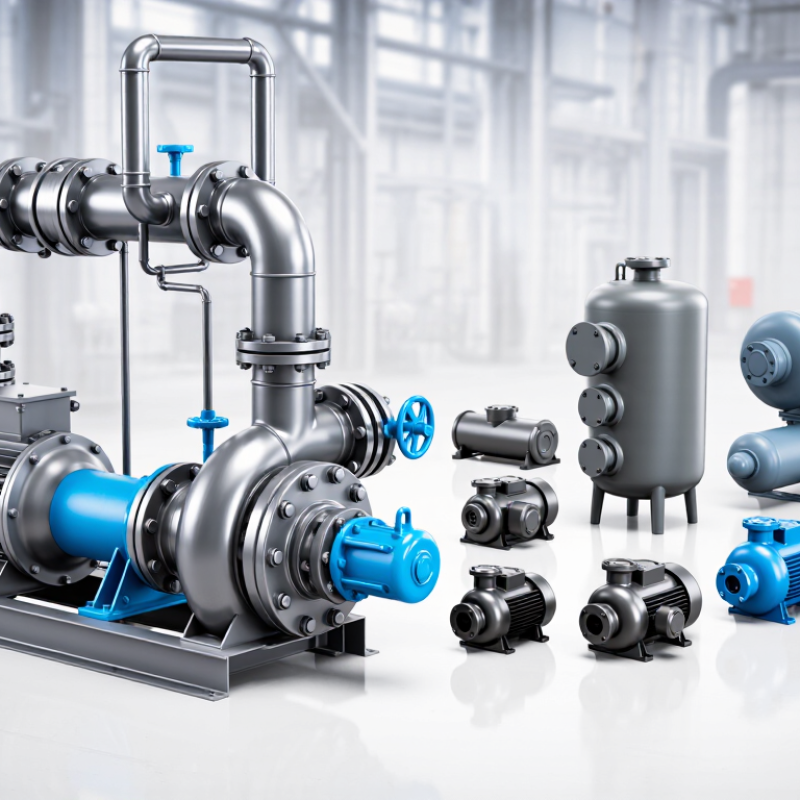
Boiler pumps keep water moving through a system where temperature, pressure, and flow must stay within design limits. Feedwater pumps push treated water into the boiler against its internal pressure. Circulation pumps move heated water through the boiler or heating loop. Condensate pumps return collected steam condensate to the feedwater system. Each type serves a different duty; choosing by name alone can be misleading.

Most boiler feed pumps use centrifugal action. A rotating impeller adds velocity to the water, and the pump casing converts much of that velocity into pressure. The pump’s operating point depends on flow resistance, speed, and system pressure. A pressure gauge near the discharge can reveal changes, but it cannot explain every cause. Cavitation, for example, may produce a rattling sound when hot water flashes into vapor near the impeller. Pump selection is not perfectly tidy: similar flow ratings can hide differences in temperature limits and suction needs.

Tips: Check the required flow and pressure at the actual operating temperature, not just the pump’s headline rating. Confirm that suction conditions and materials suit the installation. A quiet pump is not proof of correct performance; compare readings with the system’s design data and investigate unexplained changes.

Criteria for Evaluating Boiler Pump Manufacturers

When comparing boiler pump manufacturers, start with the duty point, not a headline efficiency figure. Record the required flow, differential pressure, fluid temperature, and whether the system runs continuously or in cycles. Ask for a pump curve showing the operating range, then check that normal demand sits away from unstable edge conditions. Small mismatch matters. A pump selected for peak load alone may waste energy during ordinary operation or struggle after system changes. Request material details for the casing, impeller, shaft, and seals, matched to water chemistry and temperature.

Evaluation should also cover evidence and service. Review test reports, quality controls, available efficiency data, and clear installation and maintenance instructions. Ask how quickly wear parts can be supplied and whether technicians can diagnose vibration, leakage, or cavitation using field measurements. References from comparable applications may reveal details brochures omit, such as seal life under frequent starts. Compare total operating cost, not purchase price alone; energy use and downtime accumulate quietly. No supplier can remove every risk. Even a tidy spreadsheet can miss changes in actual demand. Document the assumptions, then revisit them after commissioning, when measured flow and pressure show how the pump performs in the real boiler room.

Profiles of Ten Boiler Pump Manufacturers for Global Buyers

Top 10 Boiler Pump Manufacturers for Global Buyers

Profiles of ten boiler pump manufacturers help buyers compare practical strengths, not just attractive catalogs. Some focus on compact circulation pumps for commercial heating systems. Others build heavy-duty units for industrial boilers and high-temperature water loops. Several manufacturers offer stainless steel wetted parts, variable-speed motors, and mechanical seals for demanding applications. Their experience often appears in test reports, installation records, and responsive technical support.

A reliable manufacturer should explain flow rate, head pressure, temperature limits, efficiency, and maintenance intervals clearly. Strong suppliers also provide dimensional drawings, material certificates, spare-part lists, and guidance for local installation standards. Global buyers should examine factory testing, export packaging, warranty terms, and service coverage before placing an order. No profile is perfect. A polished website may still hide slow communication or limited replacement support. Requesting references from similar boiler projects can reveal practical weaknesses.

Tips: Compare complete operating costs, not only the purchase price. Check whether the pump matches your boiler’s pressure and water chemistry. Ask for performance curves at your actual duty point. Confirm voltage, frequency, connection size, and delivery time in writing. If a supplier avoids technical questions, pause the evaluation. Small details matter.

Top 10 Boiler Pump Manufacturers for Global Buyers - Profiles of Ten Boiler Pump Manufacturers for Global Buyers

Rank Anonymous Manufacturer Profile Primary Production Region Main Boiler Pump Product Families Typical Boiler Applications Typical Pump Configuration Common Materials Relevant Standards and Certifications Global Buyer Strength Best-Fit Buyer Requirement
1 Manufacturer Profile A Western Europe Multistage boiler-feed pumps Condensate pumps Utility boilers, industrial steam plants, combined heat and power systems Horizontal or vertical multistage centrifugal construction; high-pressure duty Cast iron, carbon steel, stainless steel, duplex stainless steel ISO 9001; EN and ISO pump design practices; project-specific pressure and electrical requirements Strong engineering support, established export channels, extensive aftermarket capability Large industrial projects requiring engineered packages and long operating life
2 Manufacturer Profile B North America Boiler-feed pumps Booster pumps Feedwater systems Power generation, refinery utilities, district heating and process steam systems Horizontal ring-section or barrel-type centrifugal pumps for demanding pressure service Carbon steel, alloy steel, stainless steel and corrosion-resistant trim materials ISO 9001; ASME-oriented project documentation; API-style engineering practices where specified Strong documentation, application engineering and service support for critical installations Buyers needing high-reliability equipment for continuous-duty steam generation
3 Manufacturer Profile C East Asia Multistage centrifugal pumps Hot-water circulation pumps Condensate pumps Industrial boilers, commercial heating plants, textile and food-processing facilities Horizontal segmented multistage and close-coupled centrifugal designs Cast iron, ductile iron, stainless steel and mechanical-seal assemblies ISO 9001; CE-marked configurations for applicable markets; motor efficiency compliance by region Competitive pricing, broad catalog coverage and flexible private-label production capability Importers and EPC contractors seeking balanced cost, availability and technical variety
4 Manufacturer Profile D Southern Europe End-suction pumps In-line circulators Boiler-feed booster pumps Commercial boilers, building heating systems, small industrial steam installations End-suction, close-coupled and vertical in-line centrifugal arrangements Cast iron, bronze, stainless steel and engineered polymer components ISO 9001; EN 733 and related European dimensional practices; CE requirements where applicable Good availability of compact products and replacement units through distributor networks Commercial HVAC buyers and small-to-medium industrial boiler operators
5 Manufacturer Profile E South Asia Horizontal multistage pumps Boiler-feed sets Pressure-boosting pumps Manufacturing plants, sugar mills, paper mills, hospitals and institutional boiler rooms Horizontal multistage centrifugal designs with motor-pump skid options Cast iron, carbon steel, stainless steel and elastomer-compatible sealing systems ISO 9001; CE documentation for export orders; customer-specified testing and inspection plans Flexible customization, practical engineering support and attractive project pricing Regional distributors and industrial users requiring customized duty points
6 Manufacturer Profile F East Asia Vertical turbine pumps High-pressure feedwater pumps Condensate extraction pumps Large utility boilers, power stations and high-capacity industrial steam plants Vertical turbine or vertical multistage configurations for limited floor space and high lift Alloy steel, stainless steel, duplex stainless steel and specialized wear-resistant materials ISO 9001; performance testing to project specifications; applicable electrical and pressure codes Suitable for large flow rates, high heads and project-specific engineering requirements Power-sector buyers managing large-capacity or infrastructure-scale installations
7 Manufacturer Profile G Central Europe Hot-water boiler pumps Flanged circulators Variable-speed pump systems District heating, commercial buildings, hydronic heating and packaged boiler systems Wet-rotor or glandless circulators; electronically controlled in-line pump designs Cast iron, stainless steel, brass and composite hydraulic components ISO 9001; CE requirements; European electrical safety and energy-efficiency requirements Strong energy-saving features, compact installation and advanced control compatibility Buyers prioritizing low energy consumption, automatic control and quiet operation
8 Manufacturer Profile H North America Packaged boiler-feed systems Condensate return units Feedwater control packages Institutional steam systems, hospitals, universities and commercial facilities Factory-assembled pump sets with tanks, controls, valves and instrumentation Carbon steel tanks, cast iron pumps, stainless steel trim and industrial control components ISO 9001; applicable ASME vessel requirements; regional electrical and safety codes Strong package integration, commissioning assistance and replacement-part support Facility owners wanting a complete boiler-room solution from one supplier
9 Manufacturer Profile I Middle East and Southeast Asia Process boiler pumps Cooling and hot-water pumps Chemical-resistant pump options Oil and gas utilities, desalination support systems, petrochemical and process industries End-suction, multistage and API-influenced process pump configurations Carbon steel, stainless steel, duplex stainless steel and corrosion-resistant alloys ISO 9001; API 610-style specifications when required by the project; material traceability options Good adaptation to hot climates, process media and demanding industrial procurement procedures Process-industry buyers requiring corrosion resistance and project documentation
10 Manufacturer Profile J Eastern Europe and Central Asia Industrial boiler-feed pumps Heating-system pumps Replacement pump assemblies District heating networks, municipal boiler houses and general industrial plants Horizontal multistage and end-suction centrifugal pump configurations Cast iron, carbon steel, stainless steel and replaceable wear components ISO 9001; regional conformity documentation; customer-specific hydraulic and pressure testing Useful replacement compatibility, practical serviceability and regional spare-parts access Operators modernizing existing boiler rooms or replacing aging pump equipment

Comparing Product Ranges, Certifications, and Support

Comparing boiler pump manufacturers requires more than checking a catalogue. Look for clear options for feedwater, circulation, and condensate duties, including horizontal or vertical multistage designs. Ask for operating limits, material details, and performance curves at your actual flow and pressure. A curve that looks right on paper may not match a hot, noisy plant room.

Energy performance matters. The U.S. Department of Energy’s Improving Pumping System Performance: A Sourcebook for Industry reports that pumping systems use nearly 20% of global electricity demand. Compare efficiency at the expected duty point, not only at a pump’s best-case rating. Small mismatch, big bill. Check certifications carefully: ISO 9001 relates to quality management, while product approvals depend on destination markets and application. A certificate alone does not prove suitability for boiler service.

Support can separate two similar offers. Ask whether engineers review NPSH, temperature, pressure, and startup conditions, and whether common wear parts are locally available. Response time matters when a seal starts leaking during a night shift. Warranty terms and commissioning help should be written, not implied. I would still treat sales claims cautiously; published test data and practical references are more useful than polished brochures.

How to Select a Manufacturer for Your Boiler System

Selecting a boiler pump begins with the system, not a catalogue. Record required flow, discharge pressure, water temperature, operating hours, and the pressure loss across the full pipe route. For feedwater service, confirm the pump’s pressure and temperature ratings against the boiler’s operating conditions. Check net positive suction head too; insufficient margin can cause cavitation, noise, and damage. Small details matter. A pump sized only for peak demand may spend most of its life throttled or operating inefficiently.

Ask manufacturers for certified performance curves, materials data, test procedures, and service support in your operating region. Compare efficiency at your actual duty point, not only the advertised maximum. The U.S. Department of Energy’s Improving Pumping System Performance guide notes that pumping systems use nearly 20% of global electricity, highlighting the value of sound selection and system design. Hydraulic Institute guidance also emphasizes evaluating pumps across their operating range. Request evidence of testing and clarify how performance is verified. A polished curve is useful, but it cannot replace a site review. I would also question assumptions about future load: they are easy to overlook. Size for credible operating scenarios, and document what remains uncertain.