Top 10 Reach Truck Manufacturers for Global Buyers?
Reach Truck selection is becoming more strategic as warehouses handle higher inventory volumes, tighter aisles, and faster delivery expectations. The MHI 2024 Annual Industry Report found that 55% of supply chain professionals expected economic improvement, while 83% planned to increase technology investment. These figures do not prove that every warehouse needs automation. They do show stronger pressure to improve productivity, visibility, and equipment reliability.
This guide examines the Top 10 Reach Truck Manufacturers for Global Buyers through practical purchasing criteria. These include lifting capacity, maximum height, residual capacity, aisle width, battery performance, operator visibility, service coverage, and total cost of ownership. A reach truck lifting 1.6 tonnes at eight metres may perform differently after several operating hours, especially in cold storage or uneven warehouse conditions. Small details matter. Mast stability matters.
Industry data also supports careful evaluation. The World Industrial Trucks Statistics report, published by the Industrial Truck Association and partner organizations, tracks global industrial truck demand and regional market movement. Meanwhile, the European Materials Handling Federation provides useful insight into safety, equipment standards, and market development across Europe. Such sources offer valuable context, but their categories are not always perfectly comparable.
A ranking can still mislead.
Manufacturers may excel in different regions, applications, and price segments. One brand may provide excellent lithium-ion systems, while another offers stronger dealer support in emerging markets. Battery charging infrastructure, spare-part availability, technician response time, and operator training can change the real purchase outcome. This overview therefore avoids relying only on brand recognition. It combines reported industry evidence with practical warehouse considerations, while recognizing that no single manufacturer is best for every global buyer.
What Is a Reach Truck and Where Is It Used?
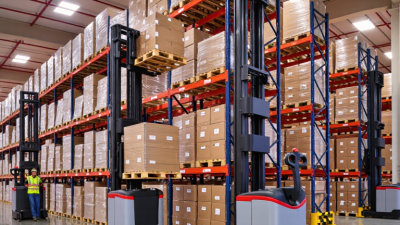
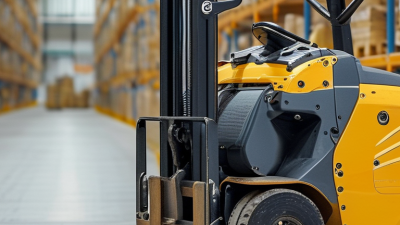
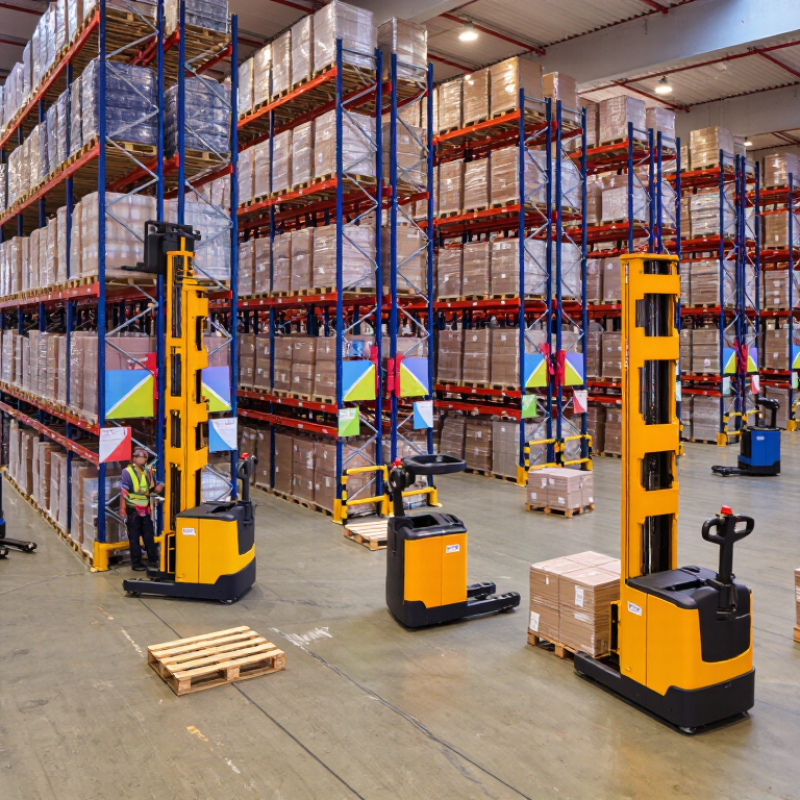
A reach truck is an electric warehouse vehicle designed for high-level pallet storage. Its mast moves forward and backward, allowing the forks to reach deep into racking. This design reduces the turning space needed in narrow aisles. Space is everything. Unlike counterbalance forklifts, reach trucks usually use stabilizing legs instead of a heavy rear counterweight. They work best on smooth, level indoor floors.
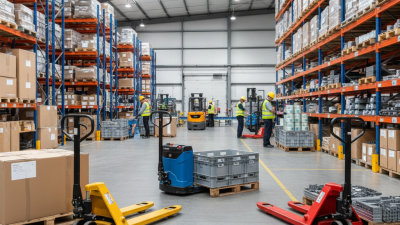
Reach trucks are common in distribution centers, cold storage rooms, and manufacturing warehouses. Operators place pallets on upper rack positions, often several meters above the floor. The elevated driving position improves visibility during stacking and retrieval. However, visibility can still decrease when loads are tall or poorly wrapped. Slow travel matters. Trained operators check pallet condition, rack clearance, battery status, and floor damage before each shift. These small checks prevent expensive mistakes.
Global buyers should match the truck to aisle width, lift height, load weight, battery system, and daily operating hours. A compact model may improve access but offer less capacity. A larger mast may reach higher but reduce stability if used carelessly. Not every warehouse needs one. Reliable brakes, clear controls, emergency systems, and accessible service support are important evaluation points. Buyers should also test turning performance with a real pallet, not only review a specification sheet. That practical test can expose weaknesses that brochures rarely mention. The safest purchase is usually the one that fits actual work patterns, even when it appears less powerful.
How to Compare Reach Truck Manufacturers Worldwide
Comparing reach truck manufacturers worldwide requires more than checking lifting height and purchase price. Start with the truck’s real working conditions. Record aisle width, floor quality, pallet weight, rack height, and daily operating hours. A model that performs well in a wide warehouse may struggle in a narrow aisle with uneven concrete.
Study the capacity chart carefully. Rated capacity can change at greater lift heights or with extended forks. Compare mast visibility, turning radius, battery options, charging time, and operator controls. Ask for a practical demonstration using your pallets. Ten minutes of driving can reveal vibration, poor visibility, or awkward controls that brochures often miss.
Support quality deserves equal attention. Check technician response times, spare-parts availability, training, warranty limits, and service coverage in your country. Request maintenance schedules and total ownership estimates for five years. Purchase price is only one line. A cheaper truck may create higher costs through downtime or difficult repairs.
Independent testing records can strengthen your decision, but do not accept every specification without questions. Even experienced buyers sometimes compare different test conditions as if they were equal. That is a mistake. Use the same workload, route, battery state, and measurement method for every manufacturer. Speak with operators after the trial. Their comments about seat comfort, mast movement, and daily fatigue may be more useful than polished sales language.
Top 10 Reach Truck Manufacturers for Global Buyers
Top 10 Reach Truck Manufacturers for Global Buyers
Choosing among the top ten reach truck manufacturers requires more than comparing published lifting heights. According to World Industrial Truck Statistics, global industrial truck deliveries exceeded two million units in 2023. That volume shows strong demand, but it does not identify the best supplier for every warehouse. Buyers should examine residual capacity, mast visibility, battery options, turning radius, and local service coverage. A 1.6-ton truck may perform well in a 10-meter aisle, yet struggle when pallets are uneven or loads shift during travel.
Look beyond the brochure.
Interact Analysis reported continued growth in warehouse automation investment through 2024, increasing pressure for reliable fleet integration. A suitable manufacturer should support telematics, operator training, spare-parts availability, and compliance with ISO 3691-1 or relevant regional standards. Test the truck with your actual pallet dimensions. Measure stopping distance on a polished floor. Check battery charging during the busiest shift. Small details matter. A weak service network can cost more than a higher purchase price. Buyers should also compare warranty limits, software ownership, financing terms, and delivery lead times. Rankings can mislead. Performance data from one distribution center may not transfer to a cold warehouse, narrow aisle, or mixed-shift operation. Independent trials and documented maintenance records remain more trustworthy than impressive claims.
Key Features, Technologies, and Service Networks
Global buyers comparing the top ten reach truck manufacturers should examine service capability as closely as lifting performance. A truck may lift 10 meters, yet poor support can stop warehouse operations within hours. Check local technician coverage, spare-parts warehouses, and emergency response times. Ask for written service-level commitments.
Modern reach trucks commonly use AC drive systems, lithium batteries, and regenerative braking. These technologies can reduce energy waste during repeated aisle movements. Mast cameras, height sensors, and operator displays improve visibility around tall loads. Telematics can track impact events, battery health, operating hours, and maintenance alerts. Useful data matters.
Service networks differ widely between regions. Verify technician training, parts availability, software support, and warranty procedures before signing a purchase agreement. Request references from warehouses with similar aisle widths, floor conditions, and shift patterns. A specification sheet rarely shows the full operating picture. Real floors may be uneven, charging space may be limited, and operators may need more training than expected. That detail is easy to miss.
Field evaluations should include cold starts, tight turns, emergency braking, and extended battery use. Compare measured stability with published figures. Also inspect how quickly the manufacturer diagnoses faults remotely. A strong supplier offers manuals, multilingual training, preventive maintenance schedules, and clear escalation channels. Still, no service network is perfect. Response promises need regular review against actual repair records.
Top 10 Reach Truck Manufacturers for Global Buyers?
Key Features, Technologies, and Service Networks
This benchmark summarizes typical specification reference points found across globally marketed electric reach trucks. Actual values vary by configuration, battery system, mast design, load center, operating environment, and regional safety requirements. Higher lift height, stronger residual capacity, narrower aisle capability, connected fleet functions, and broad after-sales support are key purchasing considerations for international buyers.
How to Choose the Right Manufacturer for Your Operation
Top 10 Reach Truck Manufacturers for Global Buyers
Choosing the right reach truck manufacturer requires more than comparing the top ten search results. Study its operating experience, engineering standards, and service coverage in your region. A reliable manufacturer should provide clear load charts, battery data, safety functions, and maintenance schedules. Ask for performance evidence from warehouses with similar aisle widths, rack heights, and floor conditions. A truck lifting 10 meters may perform poorly on uneven concrete or in cold storage. Request a practical demonstration.
Tips: Measure your narrowest aisle. Record average load weight. Check mast height, turning radius, visibility, and battery charging time. Confirm spare-parts availability before signing. Ask who repairs the truck after installation. A low purchase price can become expensive when downtime lasts several days.
Look beyond specifications. Review operator training, warranty response times, software support, and technician qualifications. The manufacturer should explain inspection routines in plain language, not hide limitations behind impressive claims. One common mistake is choosing maximum capacity instead of matching real daily loads. That choice may increase energy use and reduce maneuverability. A polished brochure can still leave important questions unanswered. Visit a working customer site when possible, although one visit cannot prove everything. Compare total ownership costs over five years, including tires, batteries, servicing, training, and expected downtime.
 Skip to content